AI4Science Sharing and Exchange Session
On 17 July 2026, the China-Britain Artificial Intelligence Association (CBAIA) held a small sharing and exchange session in London on the theme of “AI for Science (AI4Science)”. CBAIA was honoured to welcome Professor Qiang Zhang of Zhejiang University, who delivered an in-depth and substantive presentation on the application of artificial intelligence in the life sciences and materials science.
Unlike many events focused on the “commercialisation of AI” or “bringing AI into the UK market”, this session returned attention to a more fundamental question: now that large-model technology has swept across text, images and even video, can it—and how should it—enter the world of DNA, RNA, proteins and molecules?
This was not a popular science lecture for a general audience. Rather, it resembled a “dialogue among peers”. Over the course of nearly an hour, Professor Zhang systematically traced the technological development of AI4Science from the simulation era to the large-model era. He introduced his team’s core methodology for transferring the capabilities of generative language models to the life sciences and materials science. In the question-and-answer session that followed, he also engaged in detailed discussions with guests on model scale, the coordination of algorithms with automated laboratories, and specific protein-design cases.
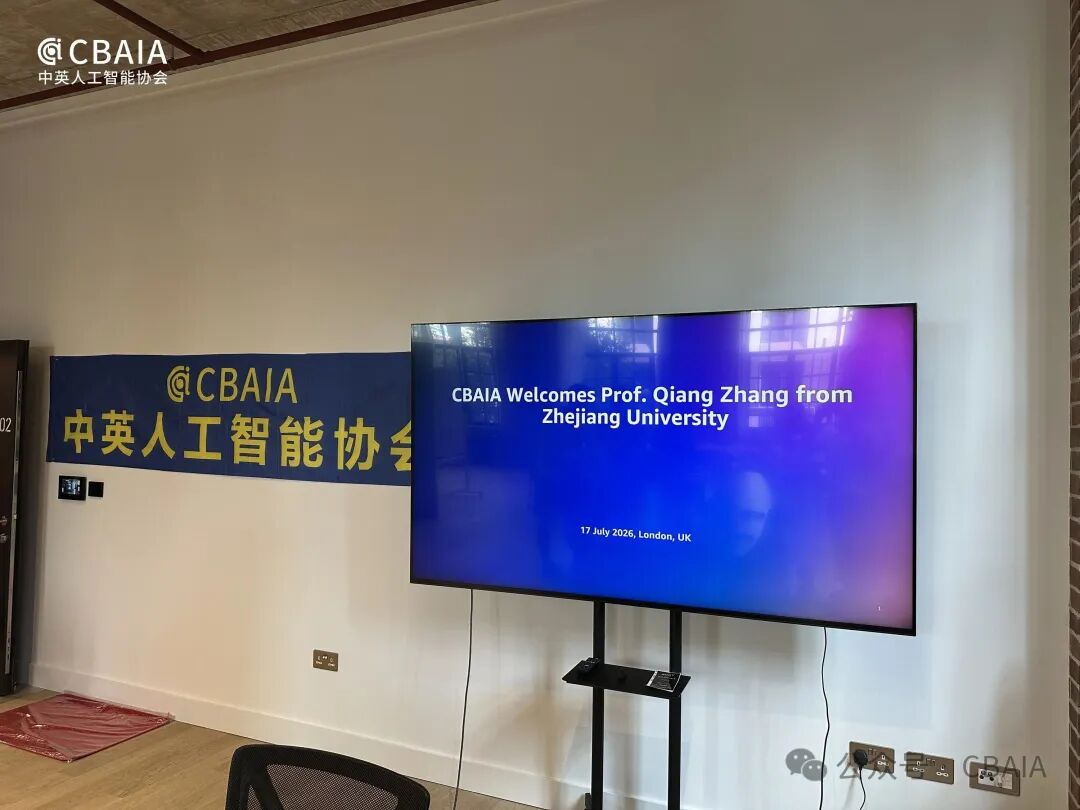
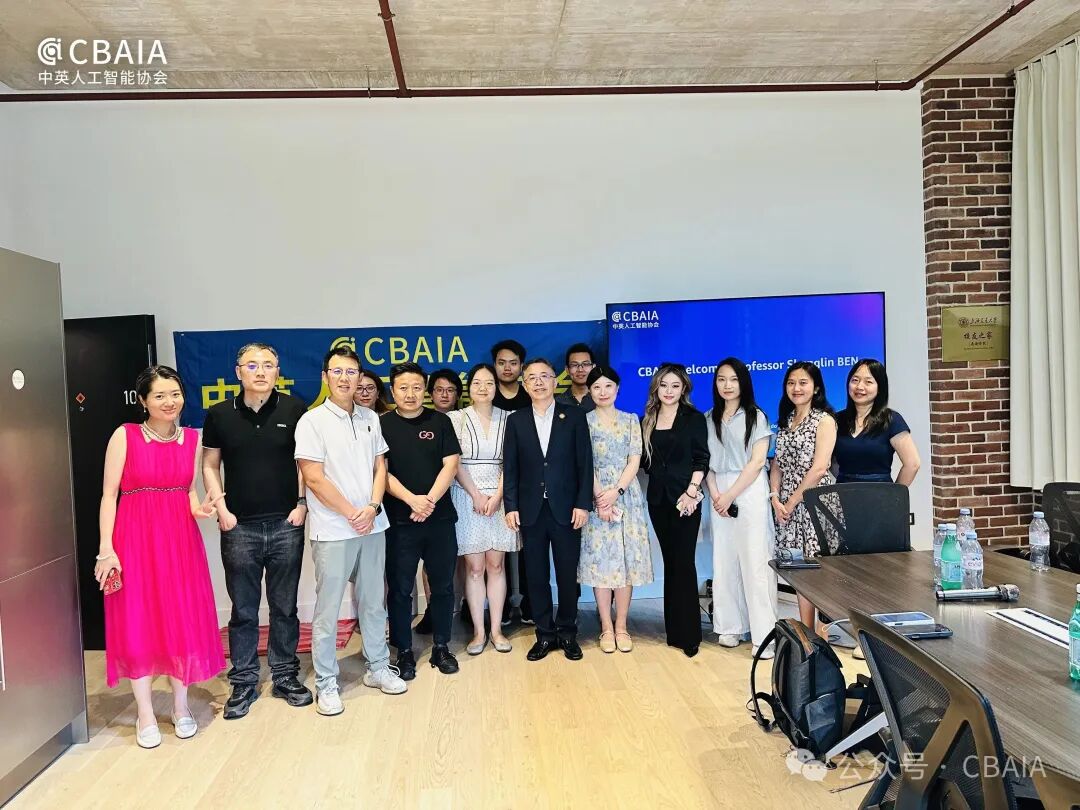
Warm welcome from CBAIA
From the Simulation Era to the Large-Model Era: Why AI4Science Has Become Inevitable
The event opened with welcoming remarks from a representative of the China-Britain Artificial Intelligence Association, who introduced the Association’s connection with Professor Zhang and extended a warm welcome to him on his visit to the UK.
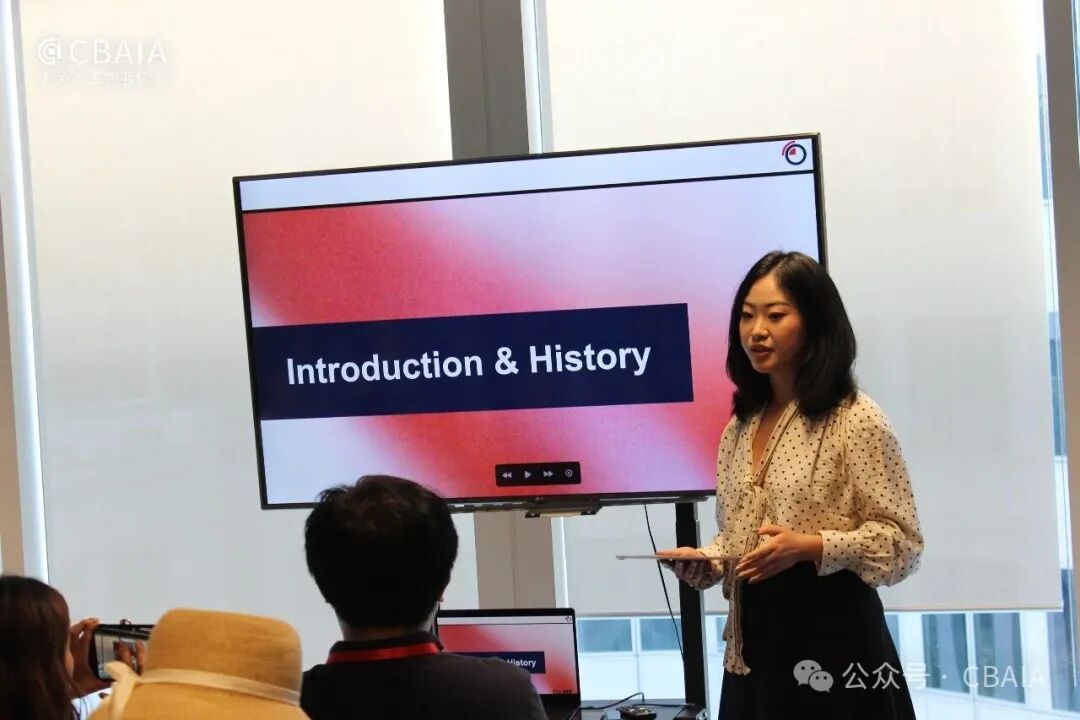
Professor Zhang began his presentation with a history of technological development. Following the Second World War, electronic computing technology gradually matured, and research methods centred on computer simulation began to emerge as a core academic paradigm. Examples included using virtual simulation methods such as molecular docking and protein simulation to study interactions between different drug molecules and protein molecules. In the 21st century, as the scale of data, computing power and AI technology advanced in tandem, increasing numbers of researchers began to use artificial intelligence to model proteins and molecules directly, together with their structures and properties.
A landmark along this trajectory was AlphaFold2. Its findings were published in Nature in 2021; in 2024, Demis Hassabis and John Jumper received the Nobel Prize in Chemistry for developing AlphaFold. AlphaFold’s success demonstrated the breakthroughs that artificial intelligence could achieve in major life-science challenges and became an important milestone in the development of AI4Science. Since then, the field has continued to attract widespread attention from the research community, drawing increasing numbers of researchers into this interdisciplinary area.
Professor Zhang summarised his understanding of AI4Science as follows: starting from an AI perspective, researchers should examine the problems that exist in the life sciences and materials science, identify the kinds of data that need to be processed, and then determine which AI models should be used to process those data.
He also highlighted a key point in time: the release of ChatGPT in November–December 2022 marked the beginning of large-scale adoption of generative AI and greatly increased interest in both industry and academia in the possibility of artificial general intelligence (AGI). However, during 2022–2023, large models such as ChatGPT and Stable Diffusion remained primarily focused on modalities such as text and images, while their modelling of scientific data including DNA, RNA and proteins was still limited.
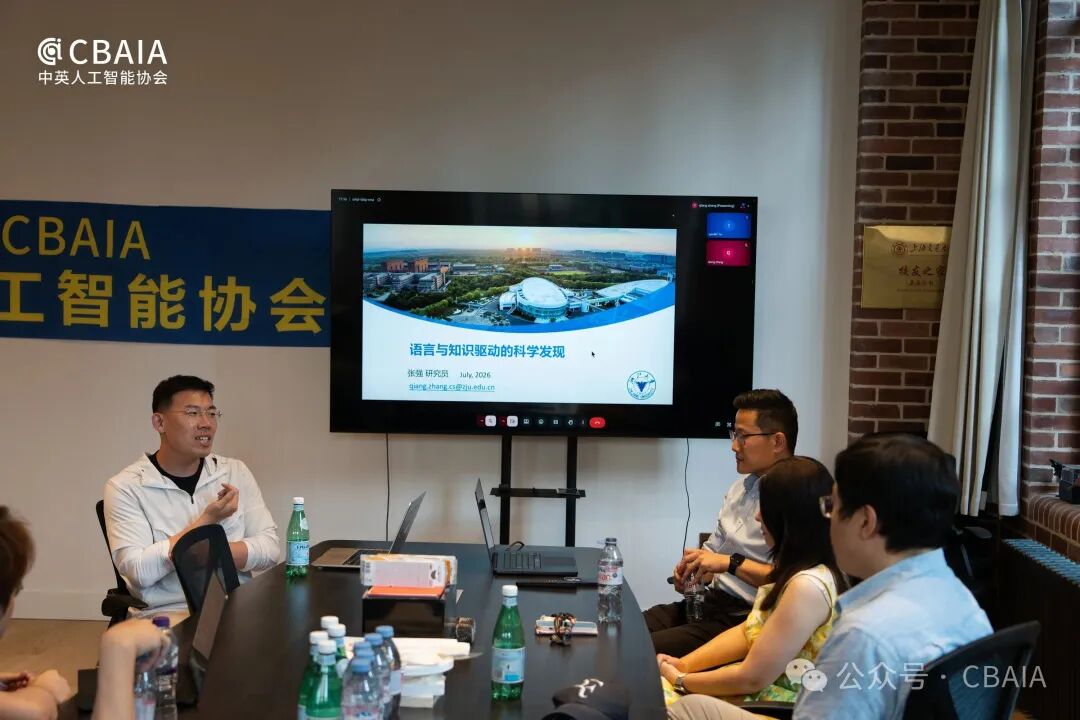
Qiang Zhang from ZJU
Core Methodology: “Translating” the Capabilities of Generative Language Models for the Life Sciences and Materials Science
Based on this assessment, the research direction of Professor Zhang’s team can be summarised as extending the capabilities of generative artificial intelligence models beyond conventional modalities such as text, images and video to DNA, RNA and proteins in the life sciences, as well as molecules—including inorganic molecules and materials—in materials science.
The rationale for this extension comes from observations about the characteristics of these two categories of data. In the life sciences, DNA, RNA and proteins can all be represented as sequences, with the flow of information between them following the Central Dogma of molecular biology. In chemistry, molecular representation methods such as SMILES have become an important language for describing chemical molecules. Given that sequence-modelling approaches used for human natural language—including the Transformer, BERT and GPT architectures—have proved effective, the team naturally sought to transfer these approaches to protein-sequence modelling and chemical-molecule modelling.
Professor Zhang nevertheless emphasised an easily overlooked distinction: early large models were highly capable of processing “common-sense knowledge”, but relatively weak at processing “scientific knowledge”. The central difference is that scientific knowledge is more strongly structured. He illustrated this using the human metabolic network. For example, when insulin binds to insulin receptors on the surface of cells, it activates complex intracellular signalling networks, which then regulate a series of metabolic processes including glucose uptake and glycogen synthesis. These networks, comprising molecules, proteins and biochemical reactions, contain rich structured knowledge.
The team therefore follows a “dual-track” methodology. On one track, it uses sequence-modelling methods represented by large models; on the other, it uses symbolic and structured knowledge-modelling methods represented by knowledge graphs. Combining the two constitutes the core innovation on the AI side. On the science side, the team works closely with biologists, chemists and pharmacologists in China and overseas to identify problems genuinely worth solving, creating a two-way exchange between AI and science.
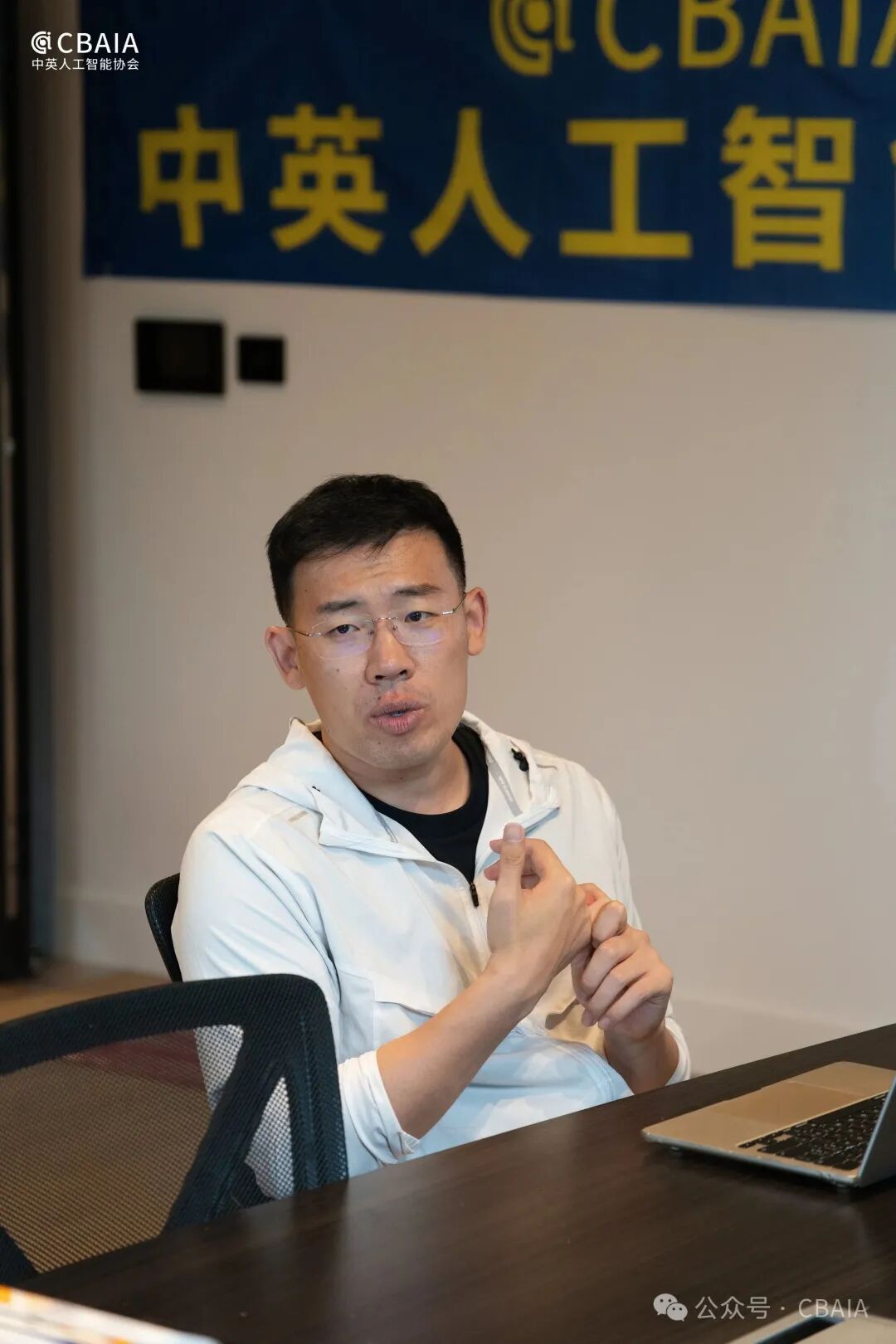
Qiang Zhang from ZJU
From the Periodic Table to Protein Design: The Team’s Series of Achievements and Next Steps
In the middle of his presentation, Professor Zhang provided a relatively rapid overview of a series of concrete achievements made by the team in recent years:
Building structured knowledge graphs. The team first transformed the periodic table of chemical elements, familiar from secondary-school education, into a knowledge graph. It then used this graph to enhance representation learning for chemical molecules, supporting downstream tasks such as molecular-toxicity prediction and metabolic-capacity prediction. The team subsequently integrated more comprehensive chemical information, including element clusters and chemical reactions—how molecules react with other molecules to generate new ones—to form a “think-tank” schema spanning multiple levels, including elements, molecules, reactions and experimental protocols.
Representation learning, retrieval and protein engineering. At the representation-learning level, the team conducted research into molecular representation learning using BERT-like architectures. Building on this work, it sought to transfer information-retrieval approaches commonly used in natural-language processing and search engines—such as retrieving homologous proteins from databases—to protein-sequence processing. A target protein sequence is used as a query to retrieve homologous or highly similar sequences from a large-scale corpus, thereby supporting downstream tasks such as functional prediction. The team has also carried out targeted modification of known proteins, for example by replacing amino acids at specific positions in a protein with other amino acids in order to change its catalytic activity or purification capability.
Large-scale annotated datasets and model training for generation. To enable early large models genuinely to “understand” the life sciences and chemical molecules, the team manually constructed a large-scale annotated molecular dataset. Using this dataset, it trained models through multiple stages, from pre-training and coarse-grained fine-tuning to fine-grained fine-tuning. This ultimately delivered two key capabilities: designing protein sequences with target functions from textual descriptions, and designing small molecules capable of binding to target proteins. The related work was previously compiled and published as a review article.
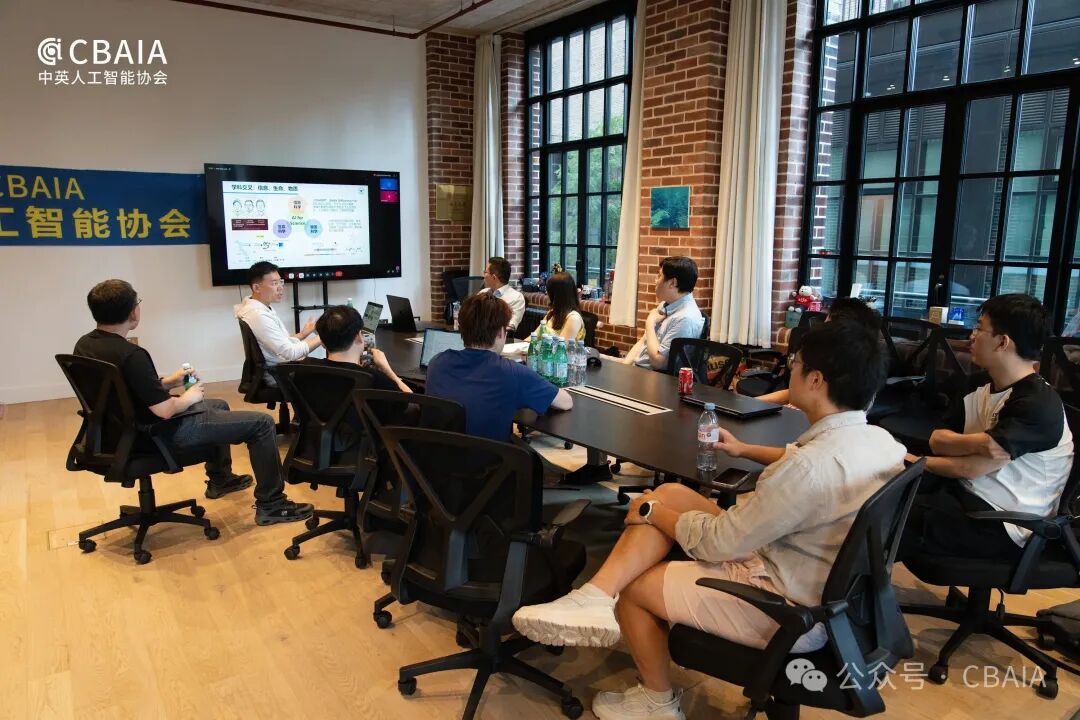
Qiang Zhang from ZJU & CBAIA Research Fellows
Scientific Agents and Automated Laboratories: Enabling AI to Conduct Experiments
Another central strand of Professor Zhang’s presentation concerned the team’s recent work on “scientific agents”: using large-model agents to call and orchestrate the many tools used in biochemistry. This agent architecture includes modules such as a planner, executor and summariser, and packages common tool-use requirements encountered by biochemists in their daily work into reusable “skills”.
Going further, this agent system has already been integrated with automated experimental equipment. Large models can generate code that directly drives robotic arms to open and close lids, stir, weigh materials and perform specific operations such as turbidity measurements in different experimental settings. Professor Zhang noted that the team had begun deeper collaboration in this area with pharmaceutical companies, as some more highly capitalised pharmaceutical businesses have substantial demand of this kind.
The team has now completed a full closed loop covering the design, construction and performance testing of chemical molecules and proteins, as well as iterative model evolution. Model performance has shown a continuing upward trend as the number of iterations increases. Professor Zhang also acknowledged that current automated equipment largely follows predetermined plans strictly according to pre-written code, and that the machines themselves still have limited autonomous decision-making capabilities. Embodied intelligence, by contrast, seeks to enable machines to decide autonomously on specific actions according to their current state, thereby completing a full closed loop connecting “scientific instruments and equipment—language-based decision-making—real experimental environments—scientific discovery”.
Professor Zhang summarised the team’s overall positioning as follows: generative large models have already demonstrated powerful capabilities in processing general knowledge, but substantial challenges remain when they are applied to highly specialised and structured scientific knowledge, scientific reasoning and scientific discovery. Drawing on academia’s limited computing and human resources, the team hopes to undertake work that large technology companies have not yet entered—namely AI4Science research represented by “knowledge-graph enhancement”. Over the past several years, the team has produced a number of high-quality academic publications in this area and secured domestic policy and project support, including several national-level projects and collaborations with companies.
Q&A: Practical Details of the Design–Build–Test–Learn Closed Loop
Following the presentation, guests engaged in an in-depth exchange with Professor Zhang on a series of specific technical details.
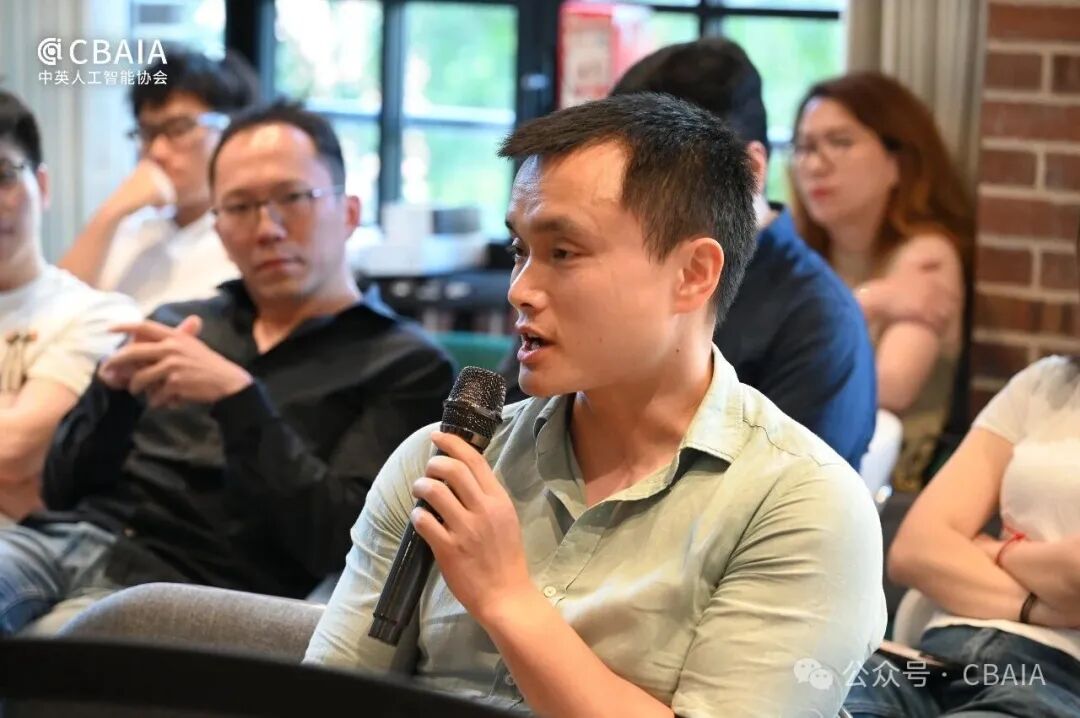
On the competitive landscape. One guest asked whether internet companies such as Ant and Tencent were also competitors. Professor Zhang responded that Ant and Tencent do not themselves develop medicines, but their AI technologies support clients such as pharmaceutical companies and hospitals. Their relationship with pharmaceutical companies is therefore collaborative rather than directly competitive. Compared with overseas universities such as Stanford, different teams also have differentiated research priorities. He said that he was “very confident” in the direction on which he focuses, and that the team’s related papers had also attracted favourable attention.
On model scale and training pathways. Addressing whether large-scale foundation models should be trained, Professor Zhang said that the answer depended on the scale of the problem to be solved. If the objective is to train a large-scale, general-purpose protein language model, the team’s current approach of building it from open-source data—that is, all obtainable known protein sequences—is appropriate. If the objective concerns a particular protein or small molecule of interest to a specific laboratory, however, the available data may comprise only tens to hundreds of samples, requiring different methods. The retrieval system currently used by the team draws on the retrieval-augmentation concept of RAG, but most other tasks rely more heavily on the model’s own capabilities than on retrieval. The team has models trained from scratch, as well as work based on fine-tuning open-source foundation models or combining other methods such as RoseTTAFold and ProteinMPNN. The specific choice depends on the type of problem being addressed.
A specific antibody-design case. Asked whether there had been a genuinely successful deployed design case, Professor Zhang described a specific project involving the introduction of unnatural amino acids into an antibody carrier. The objective was to improve the success rate or proportion of unnatural-amino-acid incorporation in the antibody, thereby strengthening its resistance to exogenous antigens and supporting the treatment requirements of related diseases. The project was ultimately successful. Through it, the team also discovered new, previously unseen representative protein sequences, rather than merely reproducing known solutions.
The specific pace of the design–build–test–learn closed loop. Guests asked further questions about the project’s iterative details. In each iteration, the team selected the top 96 candidate sequences from the model’s predicted ranking and passed them to automated experimental equipment for synthesis and experimental validation. The experimental results were then fed back into the model and used to update its prediction head and related parameters. The model subsequently re-ranked the theoretical space before proceeding to the next iteration. Four iterations were completed over the course of the project. Automated experimental equipment required only around one day to synthesise approximately 96–100 samples. By comparison, many laboratories using conventional manual screening methods would require one to two months to complete work on a similar scale.
Regarding the criteria used to screen candidate sequences, Professor Zhang specifically clarified that the team did not rely solely on a single evaluation metric such as pLDTT. Instead, it adopted an approach based on probability and statistics. The team wanted the 96 candidate samples both to include individuals with high predicted fitness and to maintain sufficient diversity between samples, thereby maximising from a probabilistic perspective the performance improvement delivered by each iteration. As for balancing the algorithmic side, which is very fast, with the automated hardware side, which is relatively slow, Professor Zhang described this as a “racetrack-style” dynamic trade-off that must be adjusted flexibly according to the pace of each project.
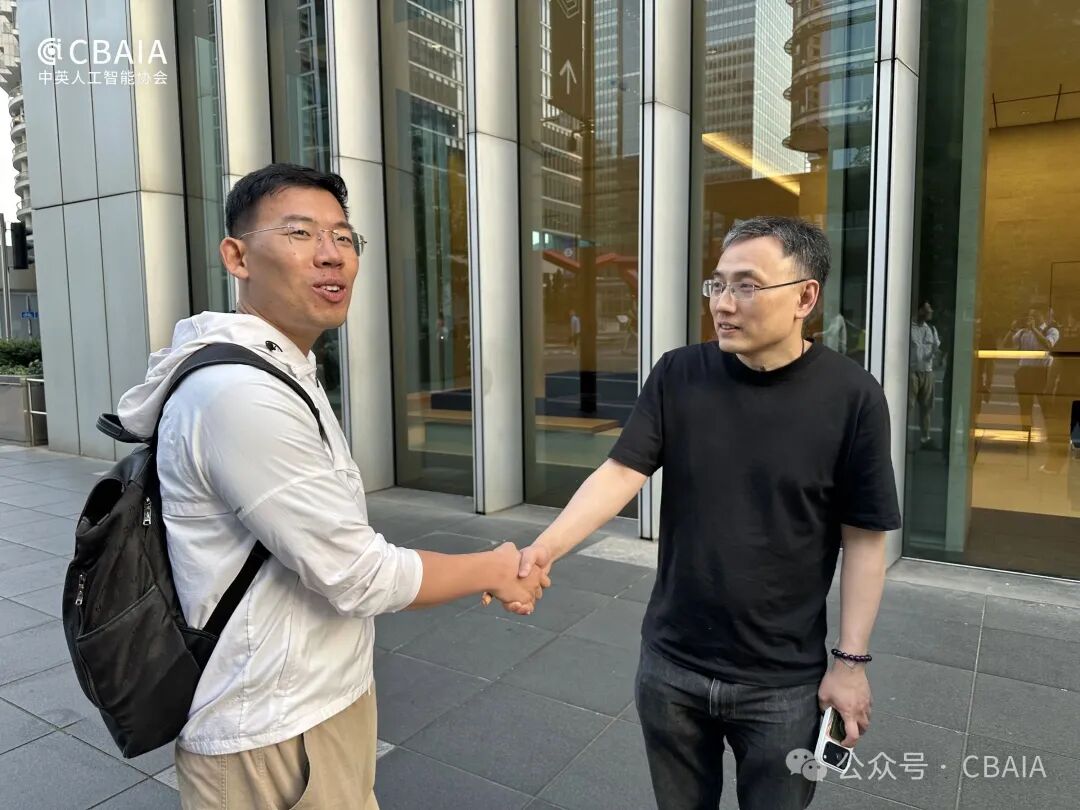
Qiang Zhang from ZJU & CBAIA Co-founder
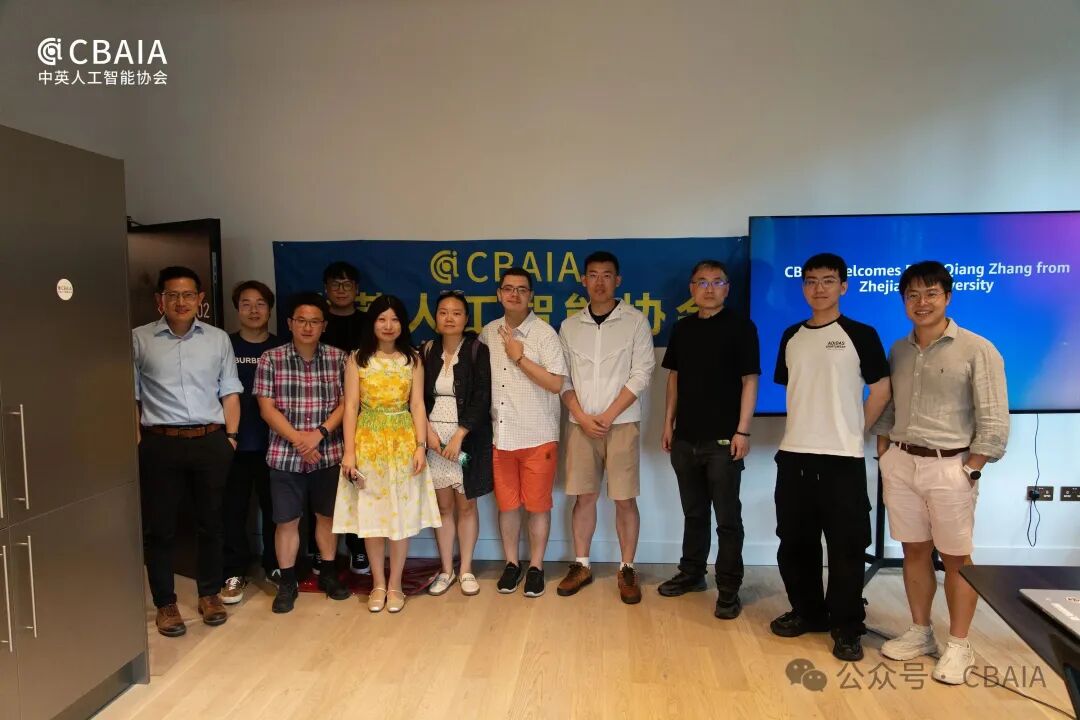
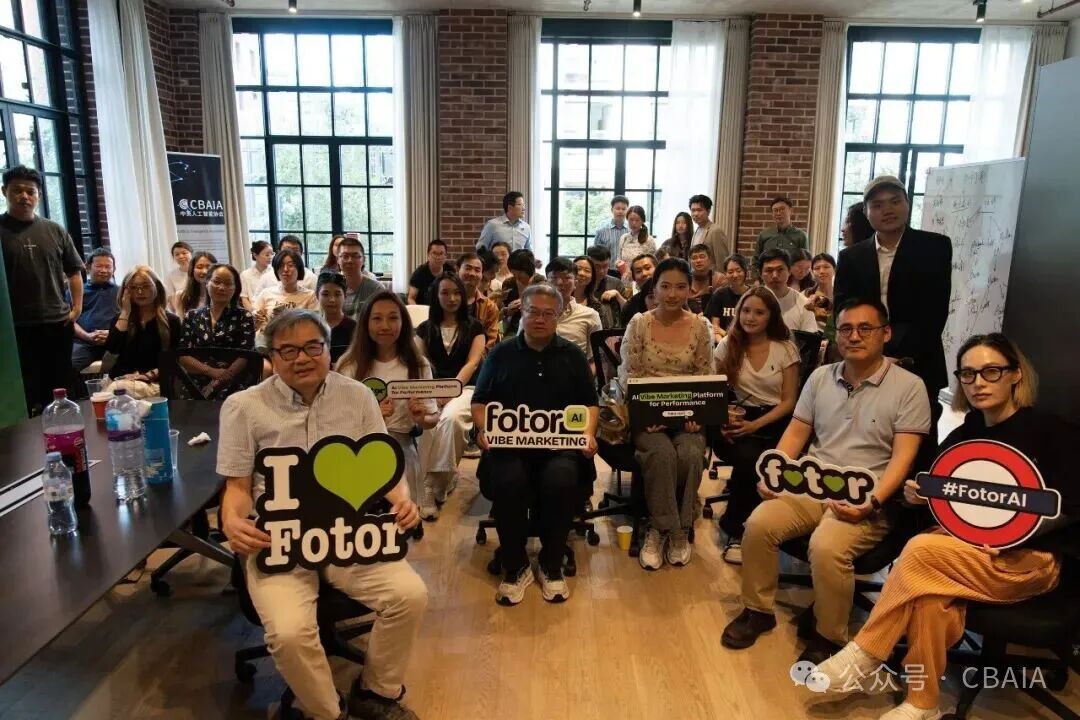
Workshop Group Photo 1
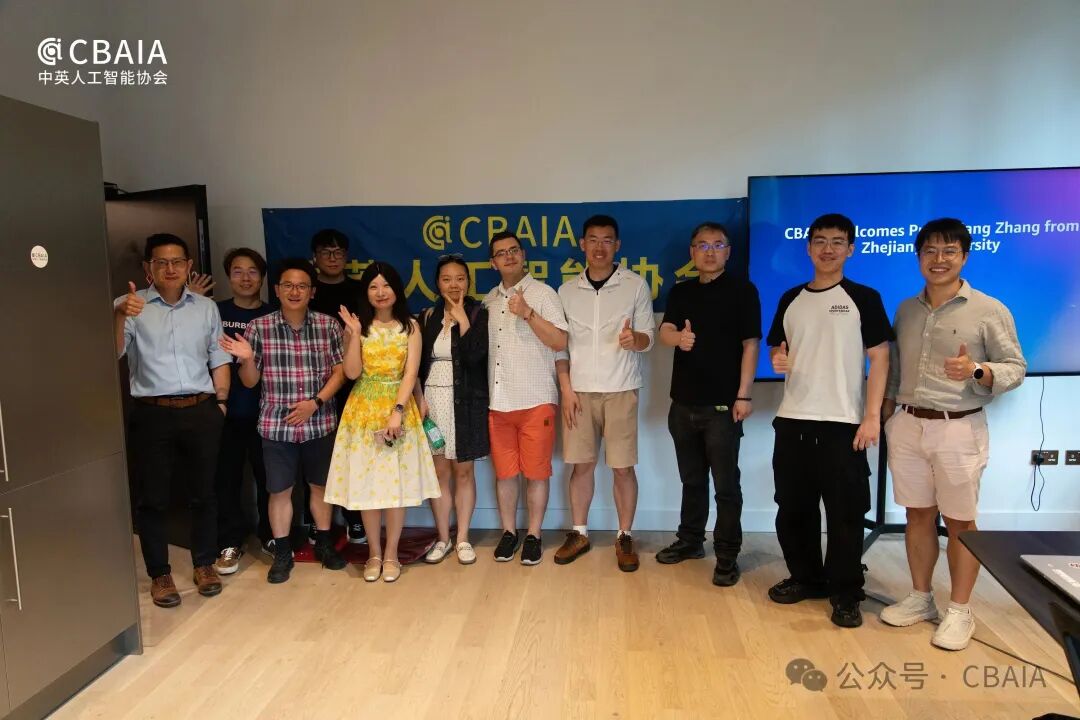
Workshop Group Photo 2
Conclusion: AI4Science Remains a Work in Progress
Perhaps the greatest insight from this CBAIA event was its candour. Professor Zhang did not avoid the current limitations of AI4Science: generative large models have already demonstrated powerful capabilities in processing general knowledge, but there is still a long way to go when dealing with highly structured scientific knowledge. Rather than pursuing a large, all-encompassing general-purpose scientific foundation model, the team has chosen to combine sequence modelling with knowledge graphs, steadily solving one specific problem after another in the life sciences and materials science. Through deep integration with automated experimental equipment, it is also reducing the time required to complete the “design–build–test–learn” closed loop from weeks or even months to a matter of days.
For CBAIA, this relatively small sharing and exchange session continued the Association’s established approach: inviting scholars deeply engaged in frontline research to the UK for candid and specific discussions with guests from industry and investment. In this way, the question of “how AI can genuinely be put into practice” does not remain at a conceptual level, but is grounded in specific choices of algorithms, data scale and experimental pace.
Planning | Tengfei Yin, Zhenhai Li
Delivery | Tengfei Yin, Zhenhai Li
Host | Zhenhai Li
Photography | Zuoxin Wang
Author | Tengfei Yin
Editor | Tengfei Yin
Reviewers | Qiang Zhang, Zhenhai Li