CBAIA Closed-Door Seminar on Cryptocurrency, AI and Quantitative Trading
At 2 pm on Sunday, 21 June 2026, the China-Britain Artificial Intelligence Association (CBAIA) held an invitation-only closed-door seminar at CBAIA Studio in London under the theme of ‘Cryptocurrency, AI and Quantitative Trading’. The event focused on AI-driven cryptoasset strategies, risk management systems and industry collaboration, attracting leading professionals from cryptocurrency quantitative trading, asset management, blockchain technology and fund-of-funds investment.
The seminar featured presentations by three invited guest speakers, covering macro trends in Asian crypto markets, end-to-end engineering practice for AI-powered quantitative trading, and decentralised exchanges. These were followed by an in-depth roundtable discussion. The event received an enthusiastic response, with attendees widely reporting that they had gained a great deal from it.
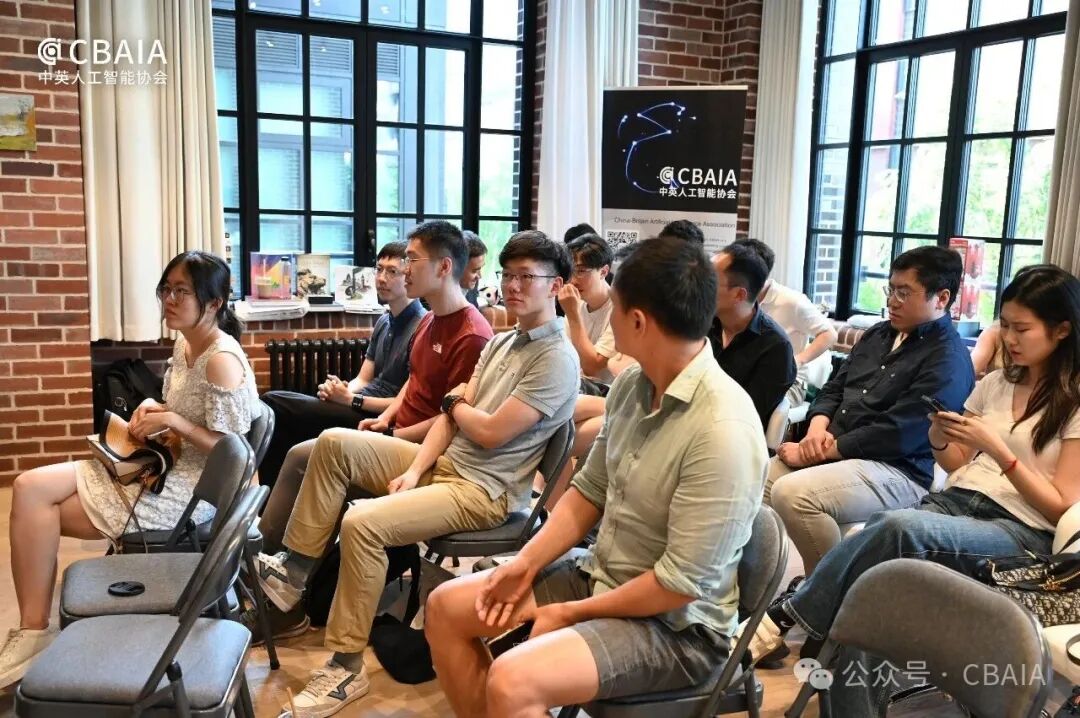
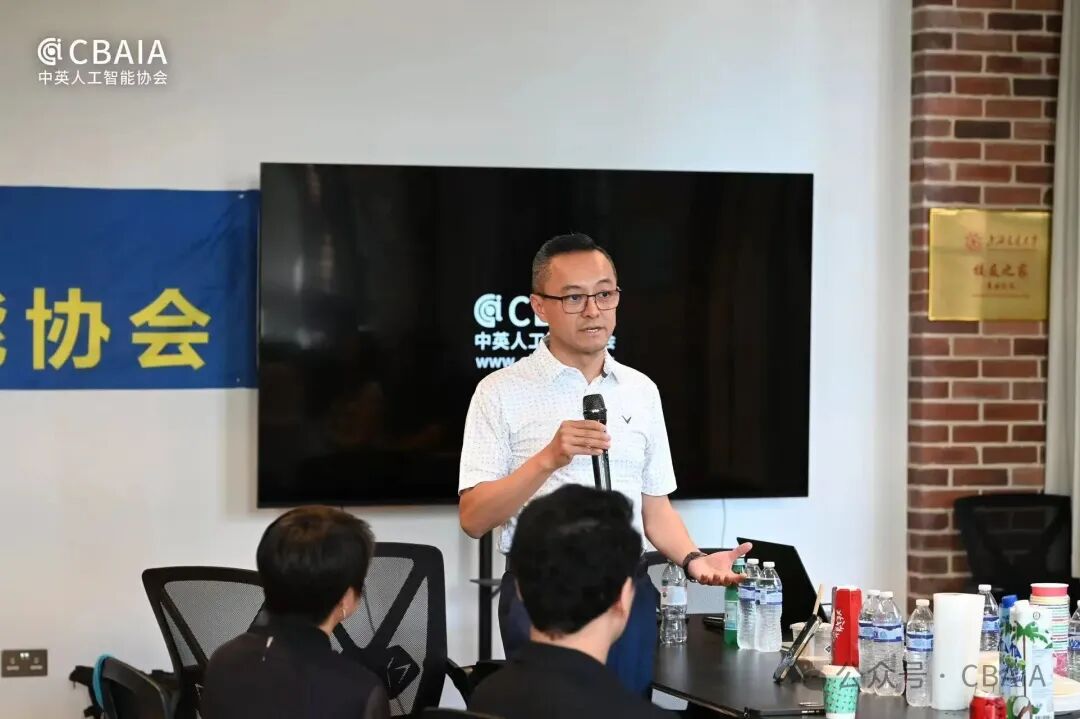
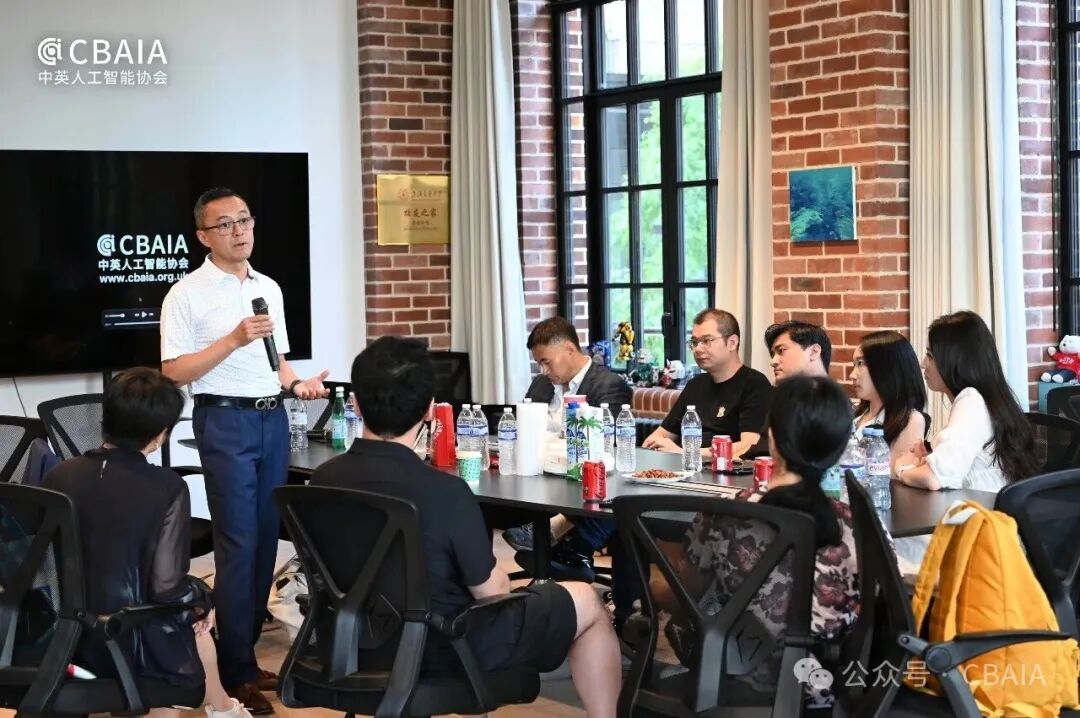
Guest Speaker 1: Insights into Asian Crypto Markets and a Quantitative Investment Framework
One of the most significant trends in the crypto industry today is that participants of all kinds—from traditional banks and payment institutions to crypto exchanges—are accelerating their activities in two core areas: asset tokenisation and stablecoins. In the European market, for example, institutions such as Qivalis are advancing a euro stablecoin project backed by several European banks. The project aims to build compliant infrastructure for institutional payments, cross-border settlement and the trading of financial assets on-chain. Meanwhile, major global banks such as JPMorgan and HSBC are also exploring next-generation financial infrastructure through tokenised deposits, on-chain settlement and real-time fund transfers. This indicates that the crypto industry is moving beyond its early stage, which was dominated by trading and speculation, and gradually entering a phase of infrastructure development involving deep integration with the traditional financial system.
The speaker also compared structural changes in the crypto market three years ago, one year ago and today. Three years ago, the market was still at a stage when venture capital firms were gathering large numbers of projects. A year ago, as venture capital disappeared, institutions entered the market, strategies became crowded and trading efficiency improved. Returns from simple arbitrage and single-factor approaches began to decline markedly, while on-chain data became more transparent, infrastructure more mature and institutional demand clearer. Today, the market is entering a new phase that is ‘difficult, yet not difficult’: it is difficult because broad-brush opportunities have declined, competition has become more professional, the half-life of alpha is shorter and cross-sectional models have ceased to be effective; it is not difficult because, as on-chain data has become ineffective, increasing numbers of trading teams have left the market, cryptocurrency trading has returned to blue-ocean territory and professional institutions have more opportunities.
At the level of quantitative practice, the speaker shared several key assessments. In certain on-chain settings, DEX arbitrage and on-chain market microstructure strategies may offer greater scope than conventional cross-exchange arbitrage on centralised exchanges, although returns depend heavily on liquidity, execution speed, transaction costs and risk management capabilities. Prediction markets represented by Polymarket are also becoming a new testing ground for strategies, but these opportunities generally have limited capacity, evolve rapidly and involve considerable regulatory uncertainty. Overall, strategy alpha decays extremely quickly in crypto markets. The ability to conduct continuous research, deploy rapidly, monitor in real time and iterate dynamically has therefore become a core competency for quantitative teams.
When evaluating crypto quantitative teams from a fund-of-funds (FOF) perspective, the speaker proposed six core dimensions: technological autonomy; the completeness of the risk management system; diversity of alpha sources; strategy capacity and scalability; team stability; and, most importantly, an organisational culture of continuous learning and rapid iteration. Teams with genuine long-term competitiveness must not only be able to identify short-term trading opportunities, but must also continually reconstruct their research, trading and risk management systems as market structures change rapidly.
Guest Speaker 2: AI Harness—Using AI to Build an End-to-End Alpha Strategy Research Framework
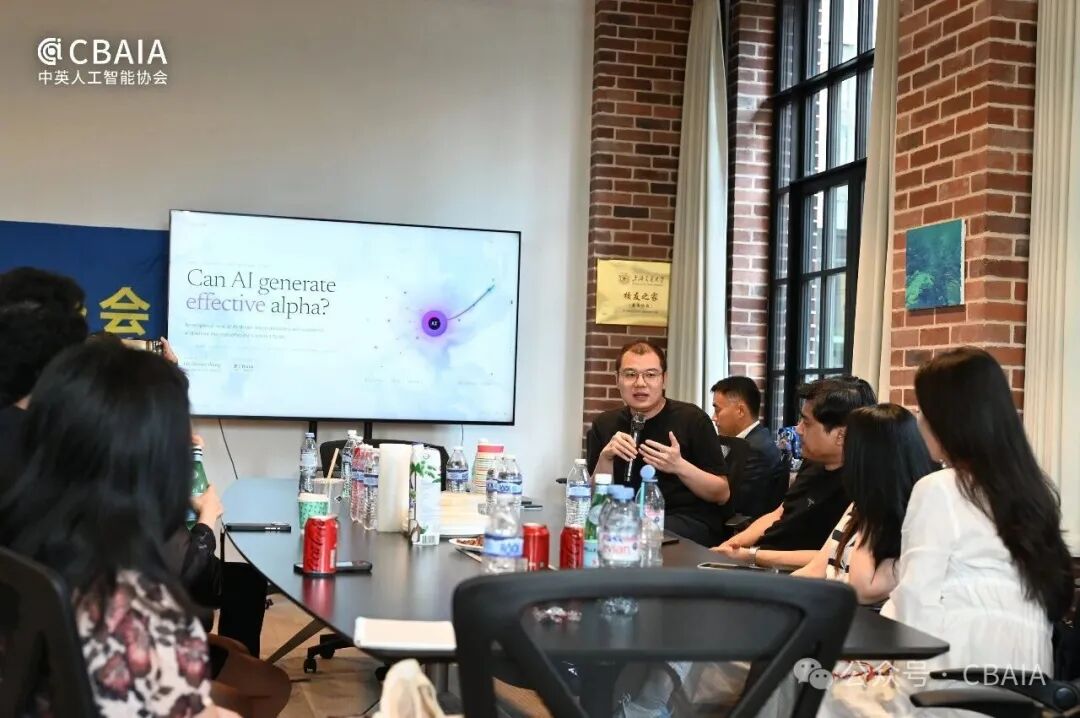
The speaker began with a ‘frightening’ core hypothesis: Can AI independently identify effective trading signals? Experimental results showed that AI-assisted alpha generation clearly outperformed the human baseline in terms of the distribution of Sharpe ratios. This provided the direct impetus for the team to develop the AI Harness system in greater depth.
The system covers the entire quantitative research and development process, from idea generation, data cleaning and model validation to backtesting, alpha mutation and alpha combination. ‘Alpha mutation’ is particularly important: AI systematically improves existing strategies, producing meaningful improvements in approximately 80% of cases, often in unexpected directions.
The team documented the complete iteration process from V1 to V15. V1 simply placed information into the prompt and performed extremely poorly. V12 introduced a multi-tool agent framework and achieved a significant improvement in its score, but consumed approximately 105K tokens and required 18–20 minutes for each analysis. Following extensive prompt optimisation, V15 reduced token consumption to 24.5K and shortened the processing time to approximately four minutes. Its implementation based on Qwen 3.7 also achieved results comparable to Claude Opus 4.8.
The core insight was that building a complex system is an essential step towards discovering the optimal prompt. Although AI-generated alpha may appear logically unclear to humans, its backtesting results are often strong, suggesting that AI may be exploring market patterns beyond human frameworks of thought. The conclusion was concise and compelling: AI is already more efficient than humans at generating alpha.
Guest Speaker 3: The Uniswap Decentralised Exchange
The speaker focused on the core differences between decentralised exchanges (DEXs) and centralised exchanges (CEXs) in terms of market microstructure and trading mechanisms, particularly the differences between the automated market-maker mechanisms of Uniswap V2 and V3 and the traditional order-book model. The speaker noted that trading on a DEX requires an understanding of the relevant AMM principles and a thorough assessment of the hidden costs arising from gas fees, pool fees and the price impact of orders.

Roundtable Discussion and In-Depth Exchange
Topic One: Will AI Completely Replace Quantitative Researchers?
• Replaceable: repetitive, verifiable and quantifiable work—including code debugging, data cleaning and batch backtesting—has already been replaced to a significant extent by AI, with substantial efficiency gains.
• Difficult to replace: first-principles thinking in idea generation, a deep understanding of the underlying nature of the business, and responsibility for final decisions continue to depend heavily on human experience.
• Emerging consensus: AI will not eliminate quantitative researchers, but teams that use AI will overwhelmingly outperform those that do not. Future core competitiveness will shift towards the question of how humans and AI can collaborate efficiently. Organisational structures will also evolve from large teams towards ‘super-small teams plus agent clusters’.
Topic Two: Opportunities in Prediction Markets
Participants generally agreed that prediction markets represented by Polymarket are among the most promising emerging opportunities in cryptocurrency quantitative trading. Major events such as the FIFA World Cup, the Olympic Games and US presidential elections will continue to create periods of high liquidity. Compared with conventional DEXs, prediction markets offer more open and transparent information and clear mechanisms for determining outcomes, providing a relatively level competitive environment for the development of quantitative strategies.
Topic Three: The Commercial Logic of RWA (Real-World Asset Tokenisation)
• A revolution in accessibility: of the approximately eight billion people worldwide, only around three billion have access to comprehensive financial services. By lowering the threshold for asset investment, RWA has the potential to extend financial services to groups that were previously excluded.
• Integration of traditional and crypto finance: leading CEXs are actively obtaining traditional financial licences, and RWA is becoming a point of convergence between the two sectors.
• Exchanges’ intrinsic motivation: a greater number of tradable instruments means more fee income. This is the fundamental commercial logic driving mainstream exchanges to embrace RWA actively.
Topic Four: Changes in Organisational Structures and Production Relations in the AI Era
• One-person companies and teams of two or three people can now achieve a scale of business that previously required hundreds of people. Annual recurring revenue (ARR) exceeding tens of millions, or even US$100 million, is no longer uncommon.
• Building an AI-native organisation is more efficient than transforming a large traditional organisation.
• Production relations will be restructured: models of collaboration between people and AI, data ownership and compliance boundaries, and mechanisms for attributing responsibility will become new dimensions of commercial competition in the next stage.
• The consensus view was that the AI era resembles the internet era in 1998. Many of the changes that truly matter are only just beginning, and everyone present is operating within an exceptional window of opportunity.
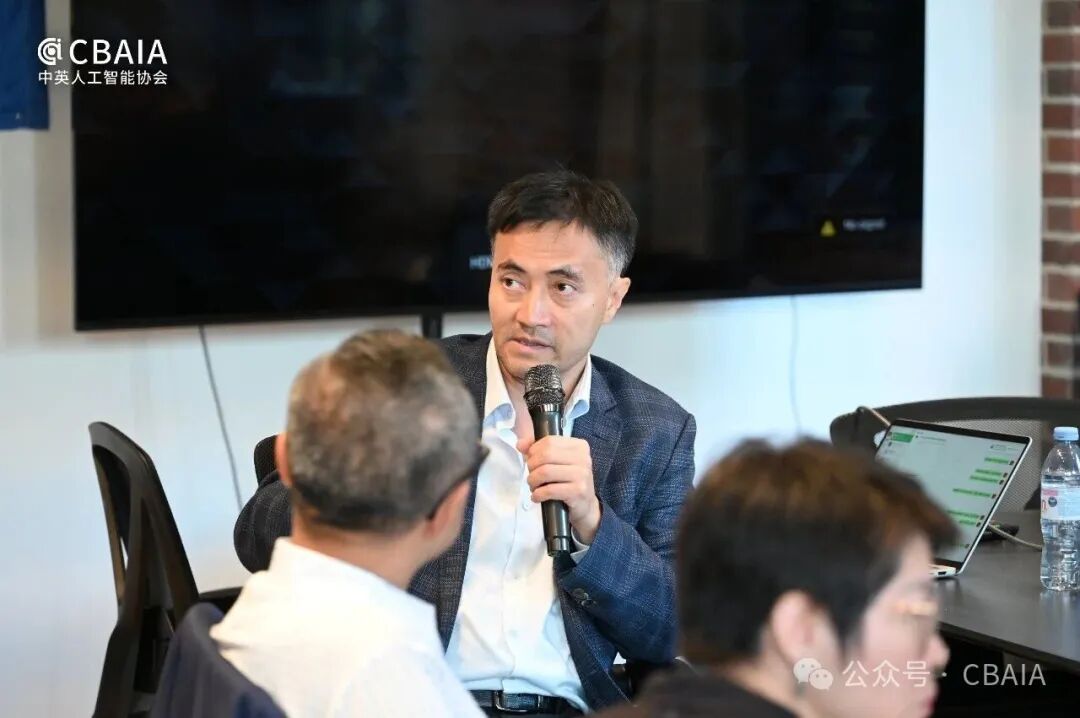
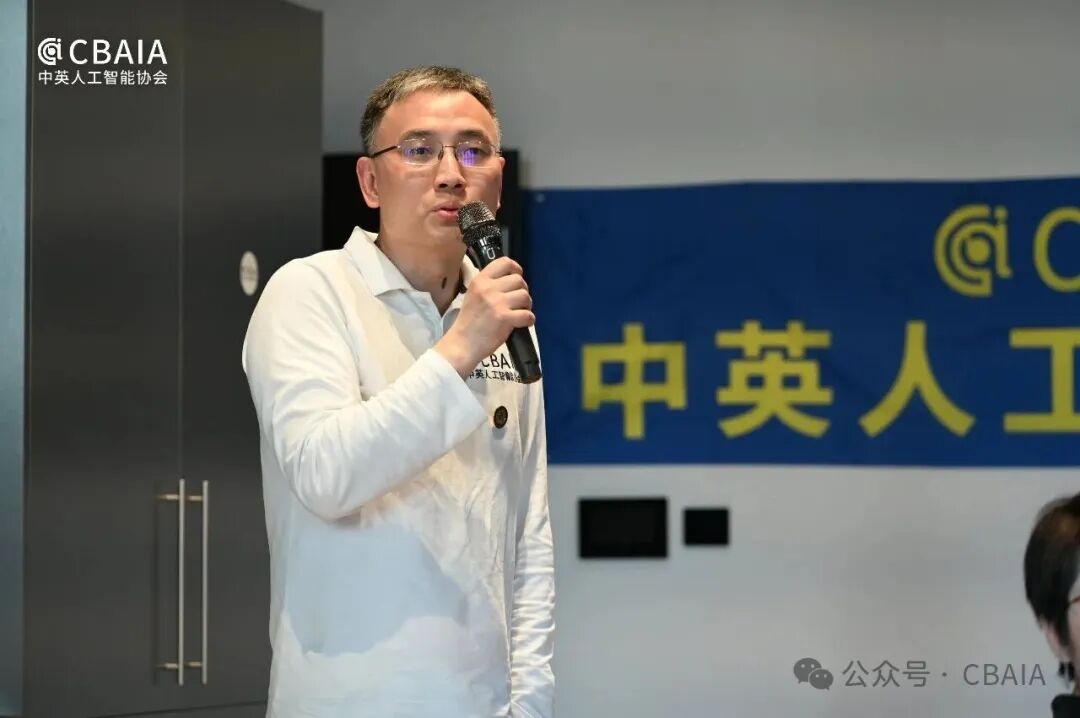
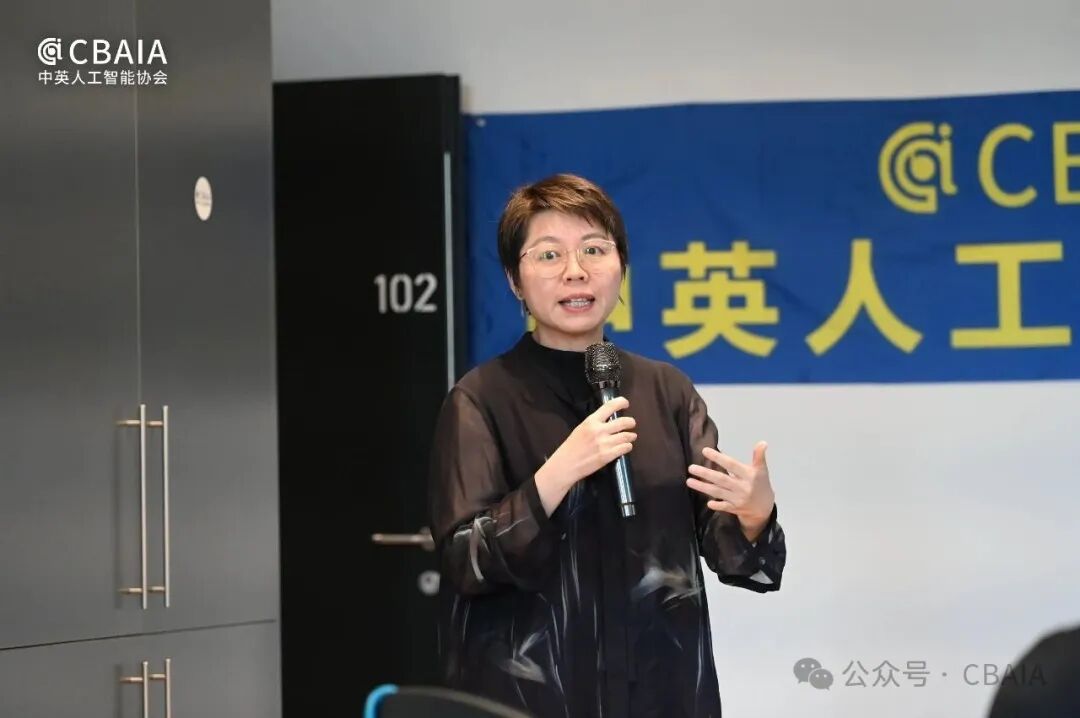
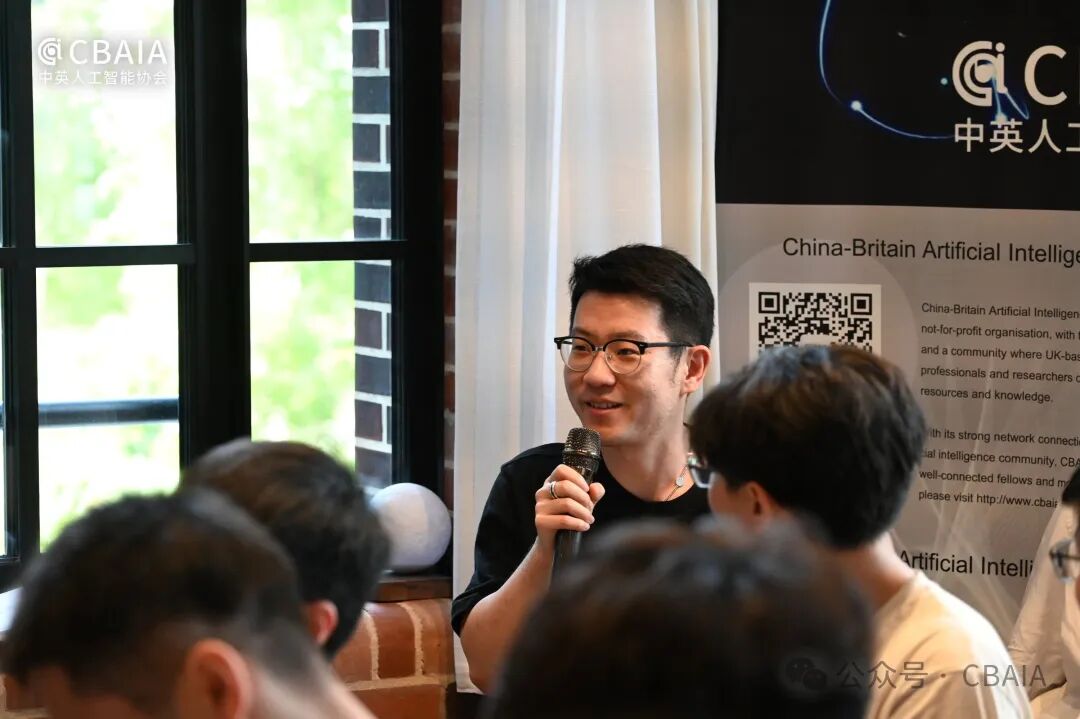
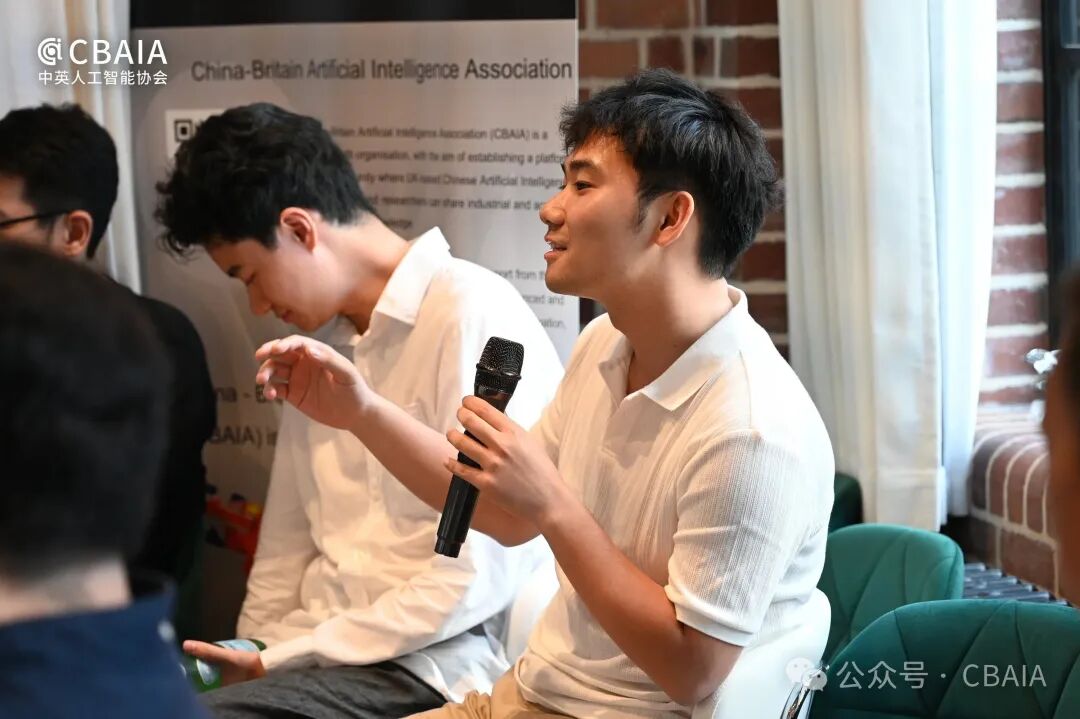
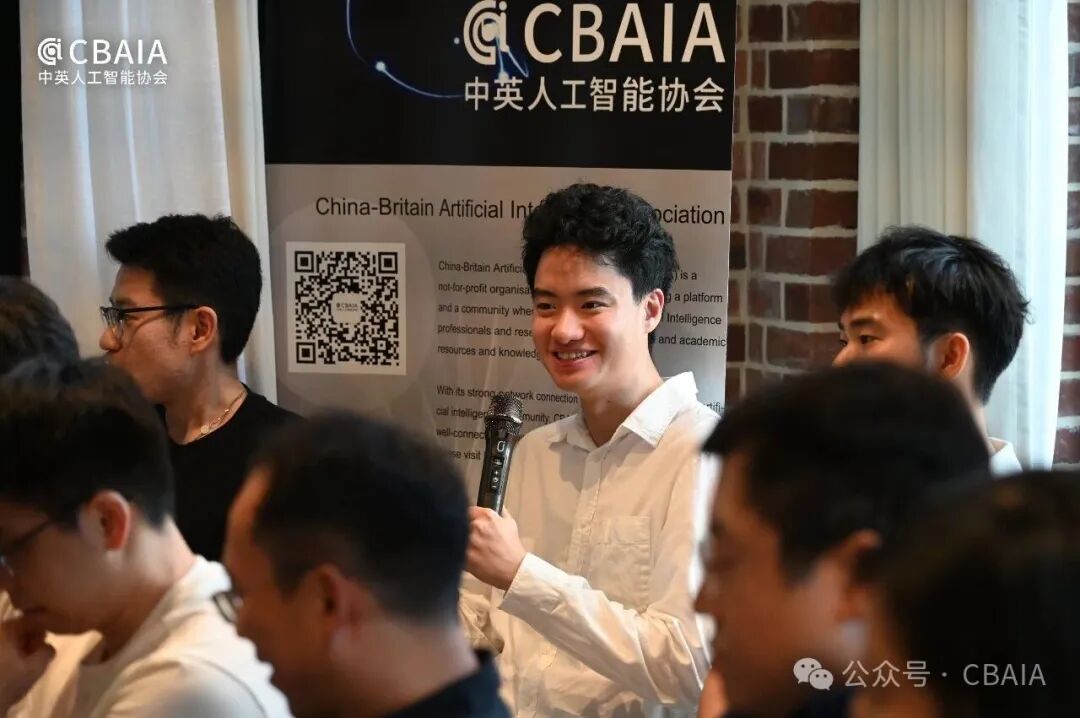


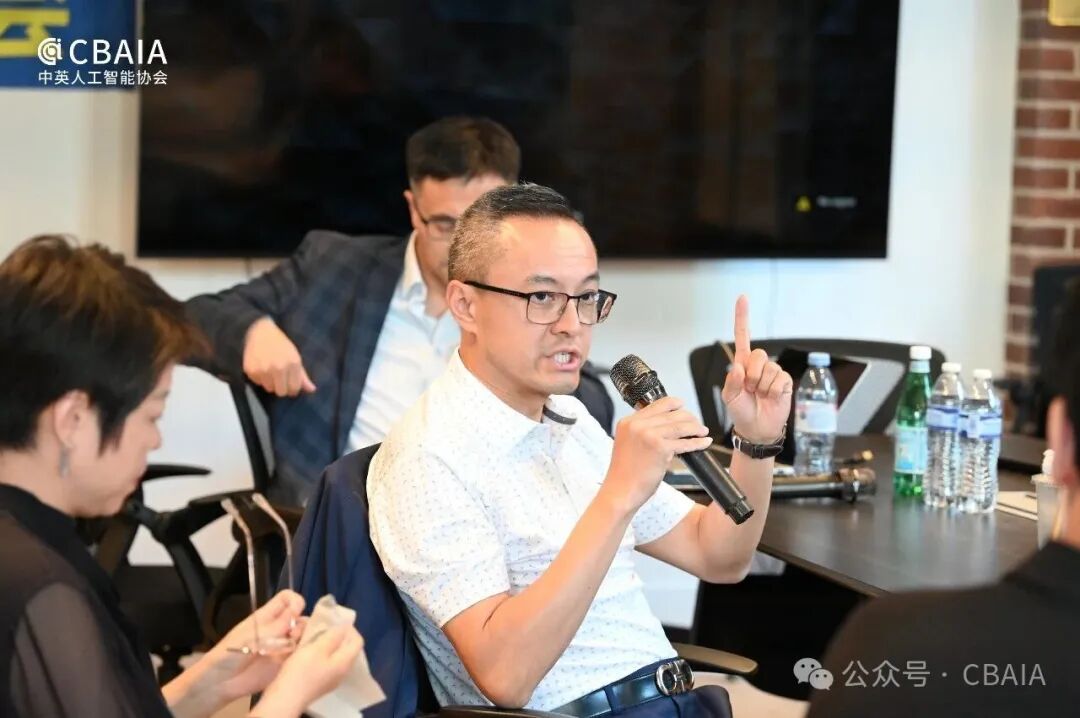
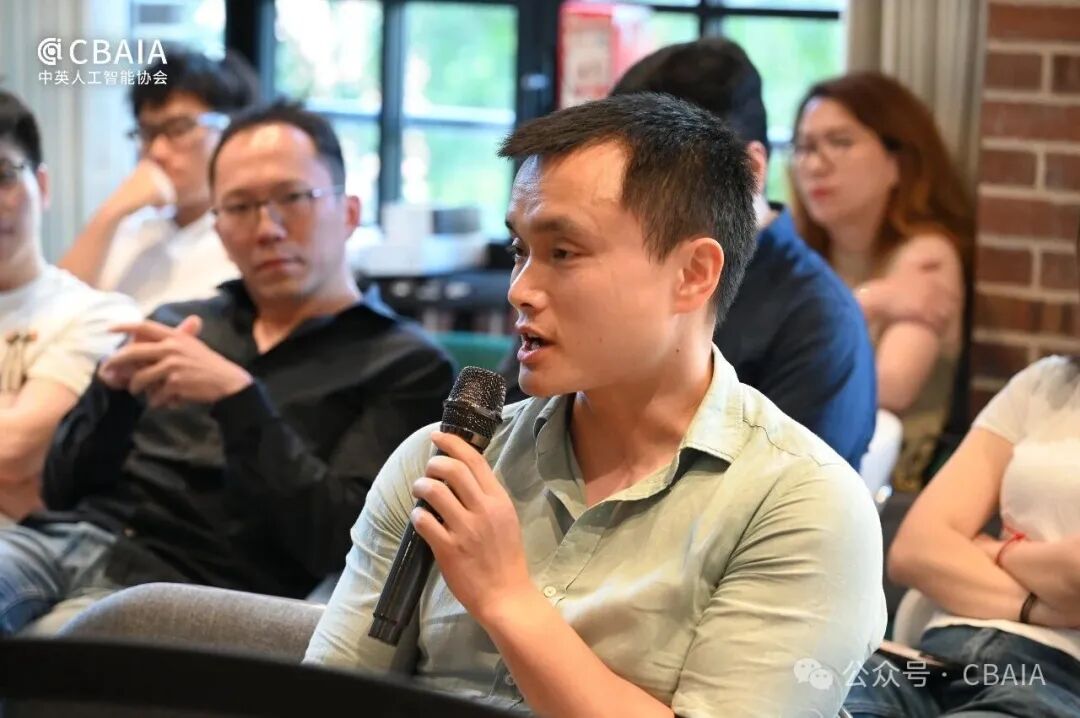
The CBAIA closed-door seminar on cryptocurrency, AI and quantitative trading brought together leading professionals from traditional finance, cryptocurrency quantitative trading, AI technology research and development, and other fields. The three invited speakers provided participants with rich and substantive insights from three perspectives: macro strategy, practical pathways for AI engineering, and hands-on quantitative trading experience. The roundtable discussion brought this exchange of ideas to a climax.
The event fully reflected CBAIA’s mission of ‘using AI as a link, industry as a vehicle and collaboration as the goal’. It provided a high-quality, focused platform for professionals working in AI and financial technology in China and the UK. CBAIA will continue to organise closed-door seminars of this calibre and looks forward to welcoming more like-minded professionals into the CBAIA community to explore the boundless possibilities created by the convergence of AI and financial technology.
Planning|Zhenhai Li, Tengfei Yin
Delivery|Hai Li, Qiuyue Zhang
Moderator|Zhenhai Li
Photography|Siqi Zhu, Zuoxin Wang
Author|Hai Li
Editor|Tengfei Yin
Reviewer|Zhenhai Li