Fotor × CBAIA: How Visual AI Moves from Technology to Real-World Products
On 1 August 2026, Fotor and the China-Britain Artificial Intelligence Association (CBAIA) jointly held an in-person visual AI forum at CBAIA Studio in London. Taking ‘From Technological Breakthroughs to Global Products’ as its starting point, the event brought together speakers working at the forefront of product development, academic research and real-world deployment to discuss how visual AI can bridge the gap between papers and demos and stable products, user workflows and global markets.
The event was moderated by CBAIA Deputy Secretary-General Jacky Yang. Professor Jiang Duan, founder of Fotor, delivered the keynote presentation. He then joined Professor Guoping Qiu, Dr Guosheng Hu and Mon Xia for a panel discussion.
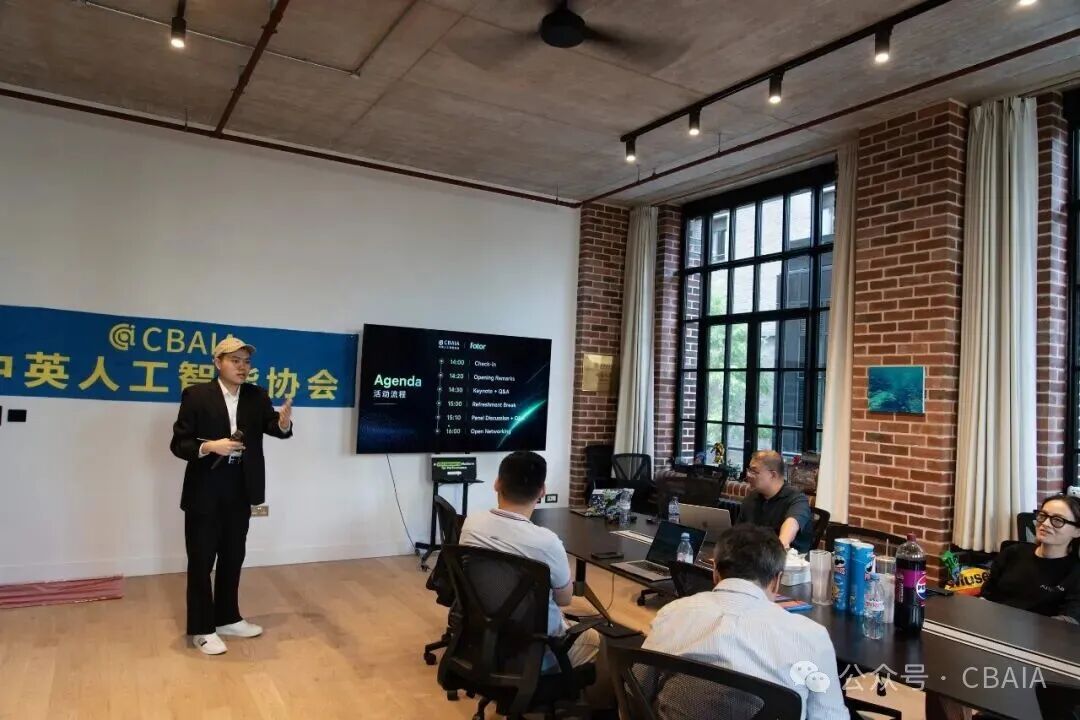
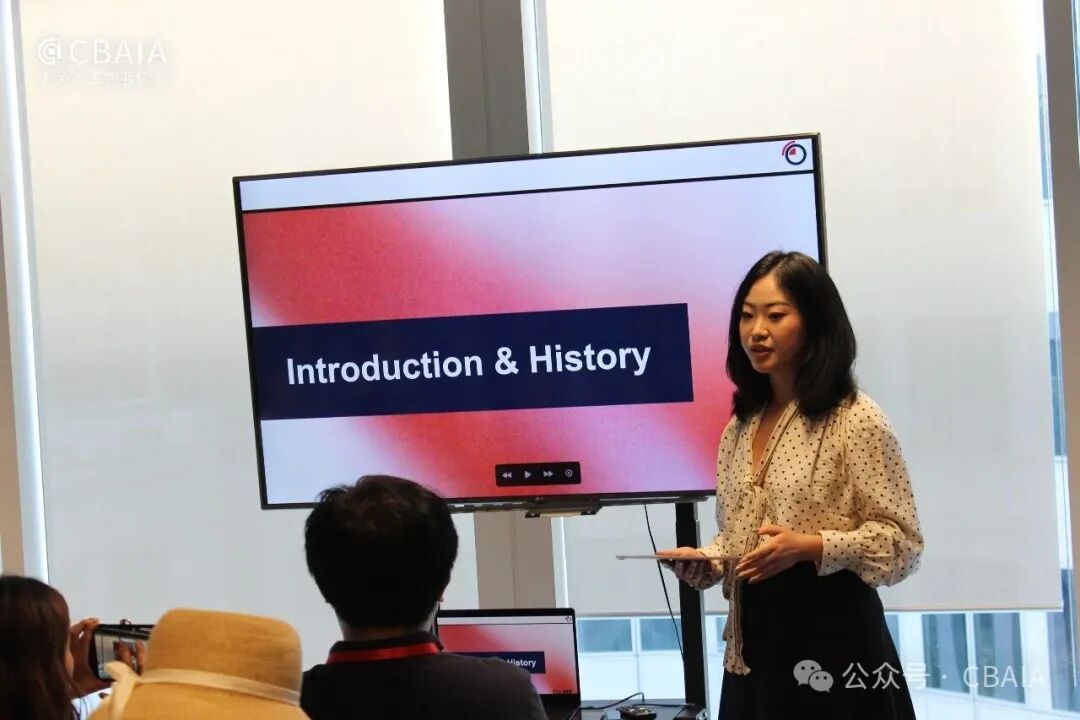
Opening remarks by Jacky Yang, CBAIA Deputy Secretary-General and moderator of the event
Speakers
Professor Jiang Duan is the founder of Fotor and a professor and doctoral supervisor at Southwestern University of Finance and Economics. He has a longstanding interest in the productisation and globalisation of generative AI applications.
Professor Guoping Qiu is Chair Professor of Computer Science at the University of Nottingham and Vice-President of the University of Nottingham Ningbo China. He also serves as Fotor Chief Scientist, and his research spans computer vision and artificial intelligence.
Dr Guosheng Hu is a Senior Lecturer in AI at the University of Bristol and formerly served as Head of Research at Oosto. He has cross-sector experience spanning academic research, industrial research and development, and real-world deployment.
Mon Xia is Director of AIXR Lab and a doctoral researcher at The Bartlett School of Architecture, UCL. Her work focuses on spatial intelligence and human–environment interaction.
Professor Jiang Duan: From Visual Capabilities to Real-World Workflows
In his keynote presentation, Professor Duan began with the development of AI applications and drew on Fotor’s experience to discuss how visual technologies can genuinely become part of products. He argued that the continued improvement of model capabilities is only the starting point. Product teams must still identify real needs and real use cases, and turn technology into tools that ordinary users can understand, operate and continue to use.
Fotor’s product evolution—from image processing and visual generation to workflows for marketing content—also reflects this change. Users are not simply presented with a single model; the challenge is how to connect ideas, assets, generation, editing and delivery into a more accessible process.
The presentation also noted that Fotor is developing agent capabilities for video creation and plans to launch related features in the near future, further exploring the connection between asset generation and editable workflows.
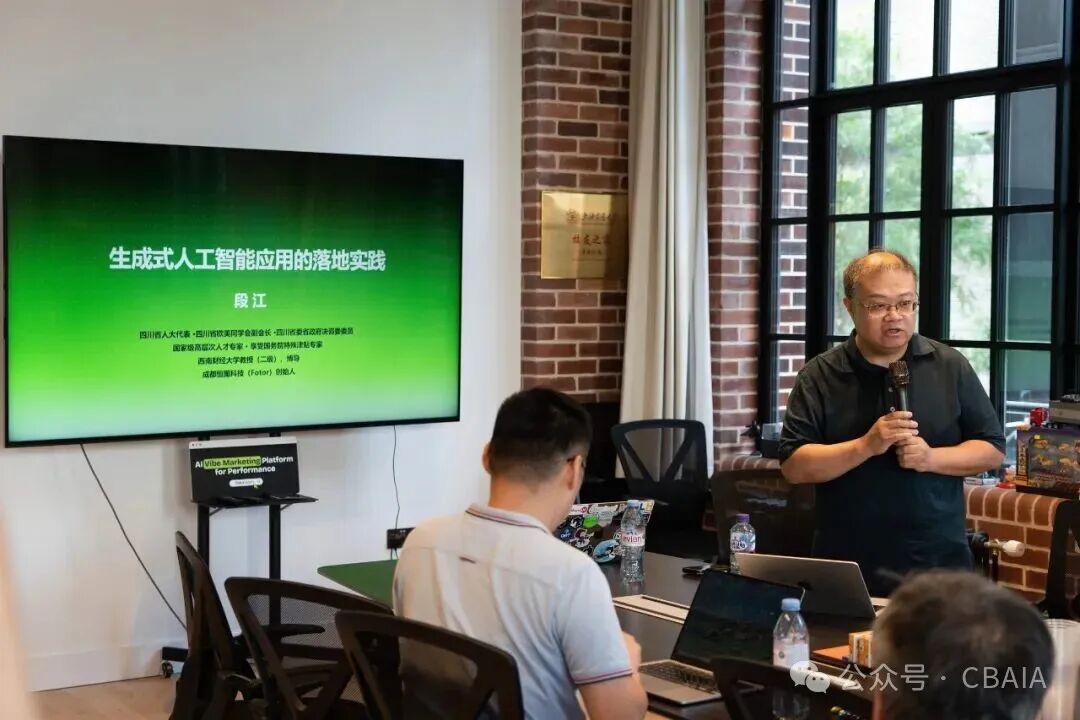
Professor Jiang Duan, founder of Fotor: Model capabilities are only the starting point; products must still identify real needs and real use cases
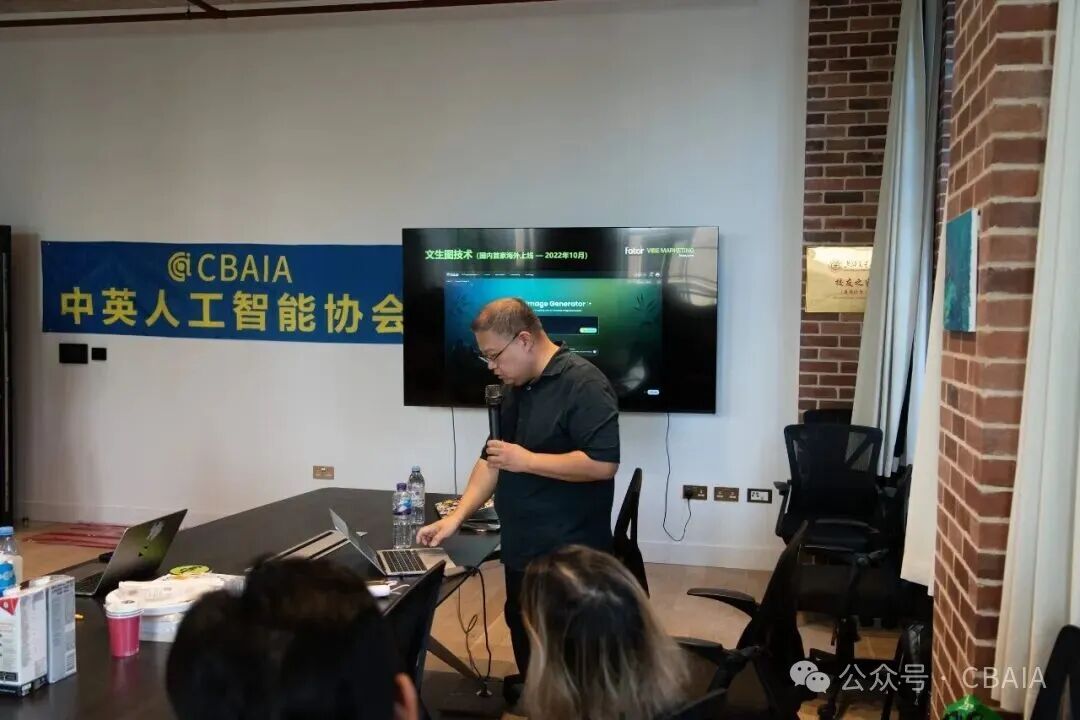
Drawing on Fotor’s product experience, Professor Jiang Duan shares routes to the real-world implementation of generative AI applications
A Technology Can Work Without the Product Working
The panel discussion brought the conversation further into the realities of productisation: why might a technology that has already worked in a paper or demo still fail when incorporated into a product?
Professor Duan distinguished between the different requirements of research, technology productisation and large-scale engineering. Research can concentrate on demonstrating that a method works, whereas a product must address a much broader range of users, scenarios and exceptional circumstances. Once it is launched, the market directly tests whether it is reliable and usable.
Drawing on his experience in industrial R&D and real-world deployment, Dr Hu noted that a substantial gap often remains between a research result and a product that customers are willing to use continuously. This gap includes edge cases, system stability, operating costs and engineering integration. Even if a model performs strongly in standard evaluations, occlusion, viewing angles, environmental changes and instability in underlying components can all be amplified into clear shortfalls in the user experience.
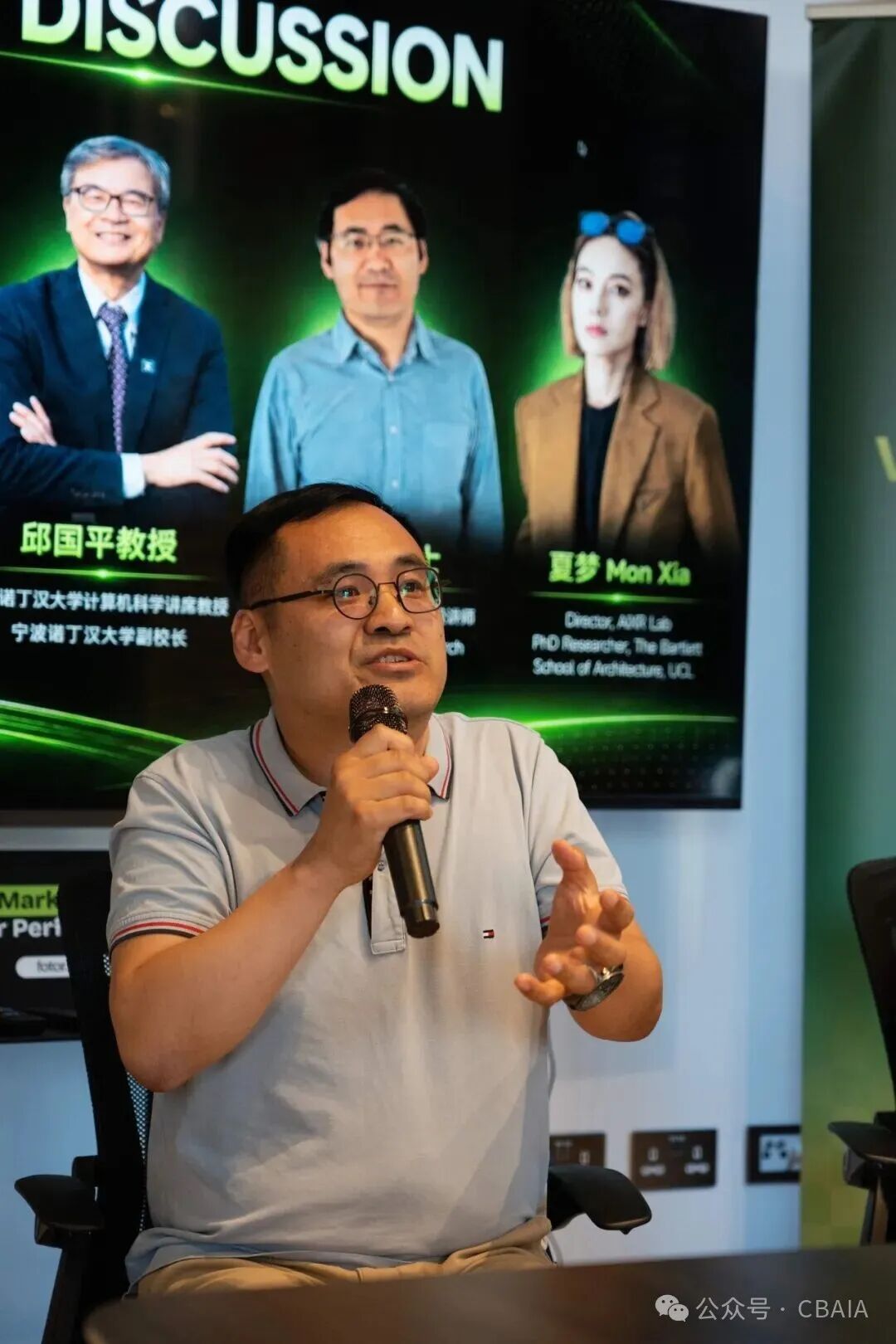
Dr Guosheng Hu: Moving from research results to a product that can be used sustainably also requires overcoming edge cases and challenges involving stability, cost and engineering integration
Professor Qiu brought the discussion back to the problem itself. Benchmarks can provide a reference, but they cannot replace the identification of real problems. In both research and application, the first task is to determine whether the problem being addressed genuinely exists, whether it is sufficiently important, and whether ordinary people can understand the significance of the work.

Professor Guoping Qiu: Benchmarks can provide a reference, but they cannot replace the identification of real problems and real value
From the perspective of spatial intelligence and human–environment interaction, Mon Xia added that once technology enters physical spaces, the threshold for a viable product involves more than model capabilities. It also includes equipment costs, the experience of wearing and interacting with devices, user education, and the boundaries determining when a system should intervene and when it should step back.

Mon Xia: Once spatial intelligence enters real-world environments, deciding when a system should intervene and when it should step back is also part of product design
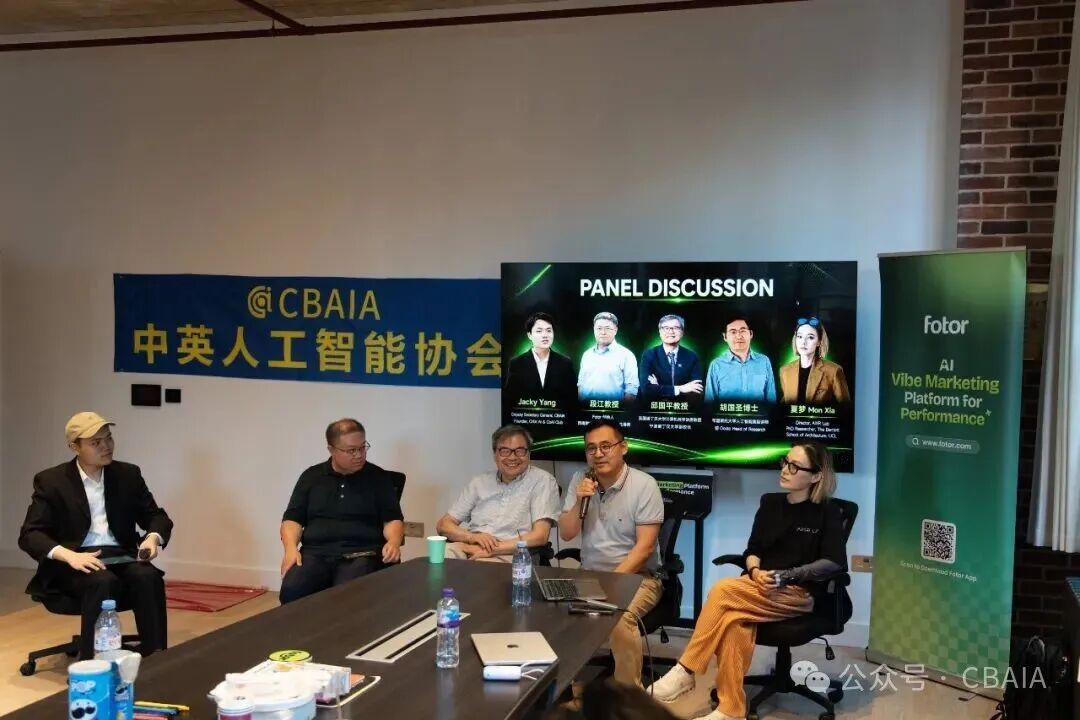
Panel discussion, from left: Jacky Yang, Professor Jiang Duan, Professor Guoping Qiu, Dr Guosheng Hu and Mon Xia
As Models Become General-Purpose, Where Does Differentiation Remain?
The discussion then turned to product differentiation as foundation models become increasingly widespread. From different perspectives, the speakers pointed towards the same conclusion: being able to use a more powerful model does not mean that a better product has already been created.
In consumer products, templates, interactions and editing pathways can help users overcome the barriers associated with prompts and specialist knowledge. In real-world deployments, model acceleration, hardware adaptation, error handling and stable operation determine whether a system can operate at scale. In spatial environments, human control, data boundaries and mechanisms that allow users to opt out become indispensable parts of product design.
The long-term value of visual AI may therefore come not from any single model or function, but from whether a team can continually understand its users, organise workflows, handle real-world exceptions and turn technological capabilities into a trustworthy experience.
A Global Product Is More Than a Language Conversion
In discussing globalisation and commercialisation, the conversation focused not only on translating a product into different languages, but also on understanding user habits, use cases, distribution methods and payment models in different markets. When serving users around the world, a product must maintain a common foundation that can be scaled while also identifying the market differences that genuinely affect product decisions.
This also reflects CBAIA’s role in building connections: enabling researchers, product teams, entrepreneurs and industry practitioners from China and the UK to exchange experience through specific cases and real problems, rather than remaining at the level of abstract slogans about collaboration between industry, academia and research.
Leaving the Answer to 2030
At the end of the panel, the speakers used 2030 as a reference point to offer their assessments of the next stage of visual AI. The discussion covered more accessible video content production, cognitive partners that assist human thinking, physical AI and robotics, and intelligent devices entering urban and architectural environments.
Although these directions differ, they share one assessment: the next stage of AI’s value is not simply about models continuing to become more powerful, but about whether technology can take on clear product forms, be used and corrected in real-world environments, and have boundaries set around it.
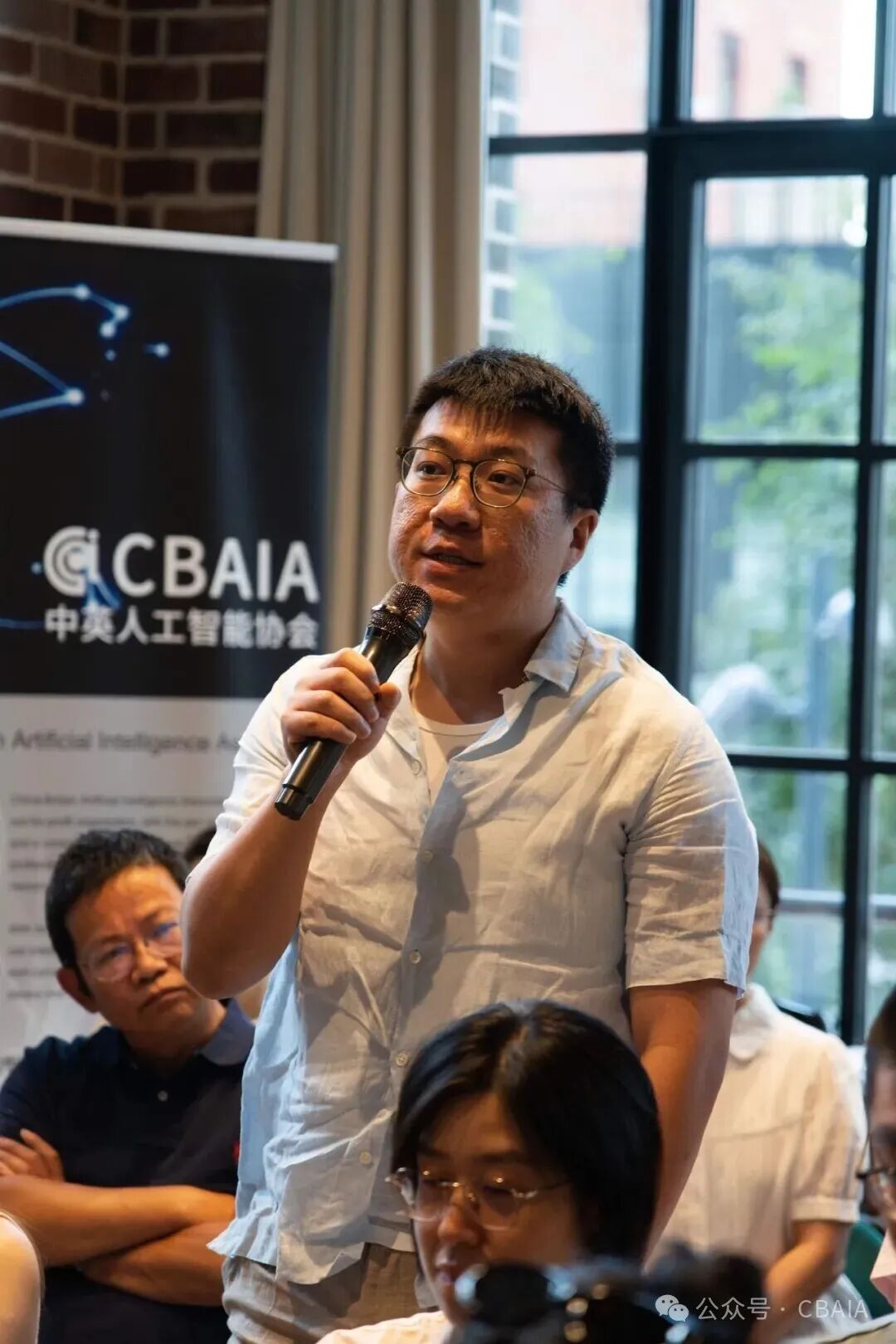
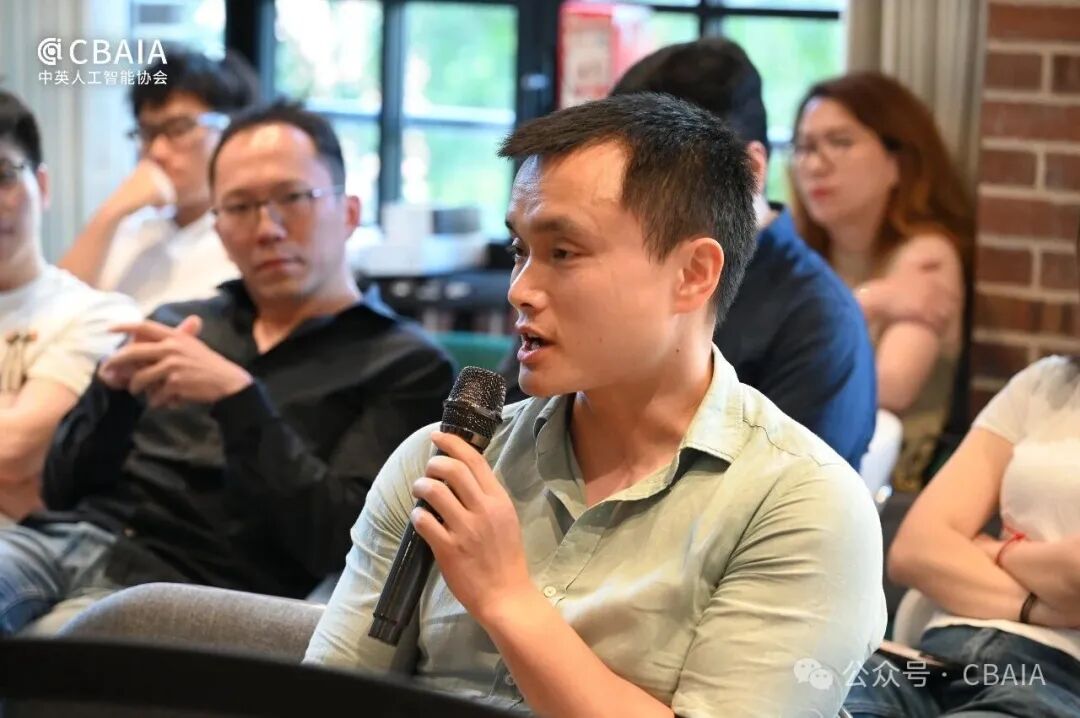
Questions from the audience
The event concluded with an audience question-and-answer session and open networking. Questions continued to focus on user feedback, product iteration, real-world technology implementation and future opportunities. After the formal programme ended, the speakers and attendees continued their discussions at the venue.
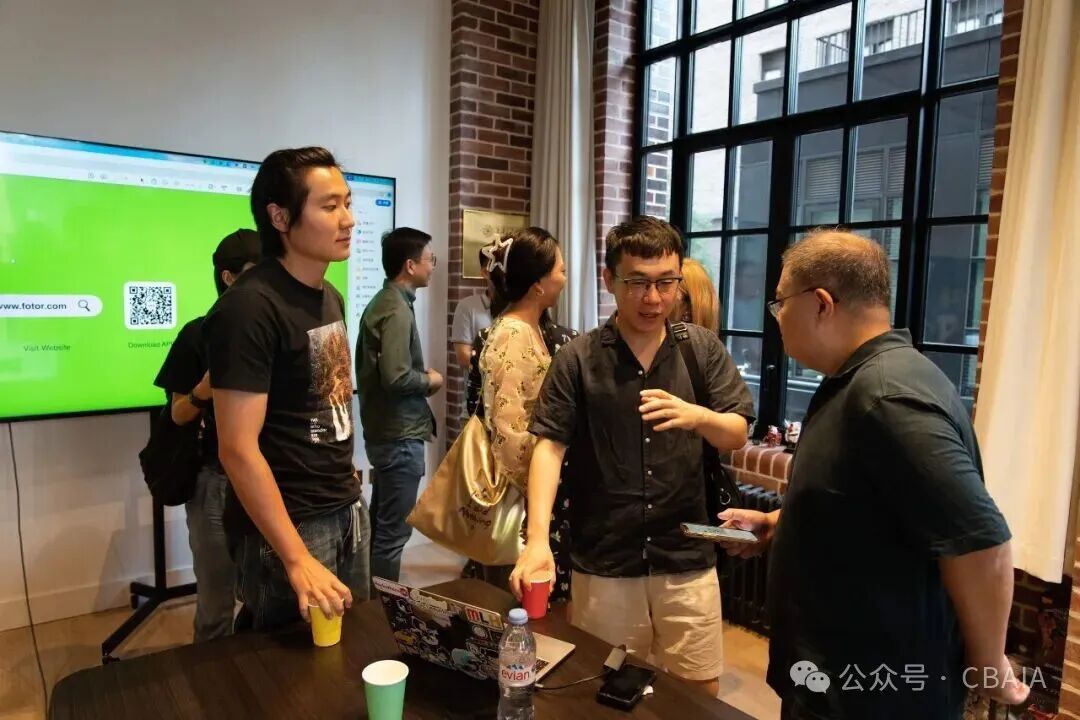
Networking after the event
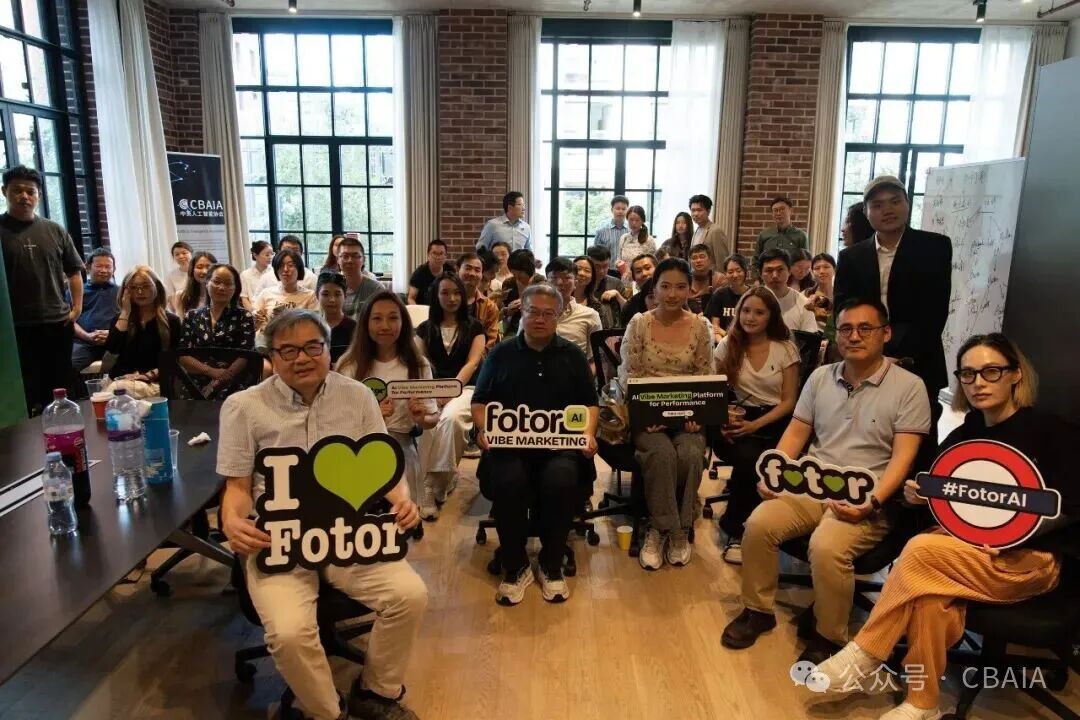
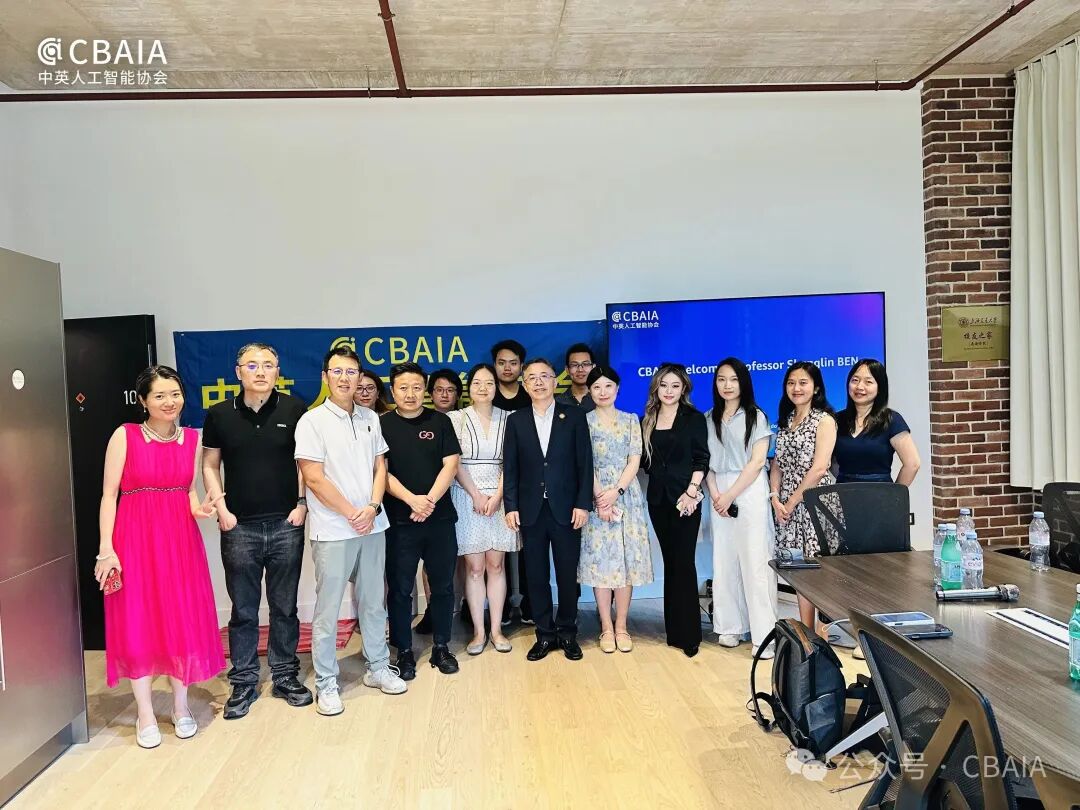
Group photograph at the Fotor × CBAIA Visual AI Forum
Author | CBAIA Secretariat
Editor | Jacky Yang
Reviewers | Tengfei Yin, Zhenhai Li and Nora Chen
Photography | Zuoxin Wang